The Silent Killer of Muay Thai Academies
The silent killer of Muay Thai academies worldwide is not a lack of fight team success, nor is it a deficiency in striking technique. It is the catastrophic churn rate of recreational students caused by a non-existent pedagogical structure. In traditional Thai camps, there are no belts or armbands for ranking; a fighter's progression is measured strictly by their stadium record and their ability to survive grueling training sessions. However, when this "sink or swim" mentality is imported directly into Western martial arts academies, it creates a chaotic, intimidating environment.
Recreational students—who make up 90% to 95% of your gross revenue—experience massive cognitive overload. Without clear progression markers, they feel lost, unmotivated, and eventually cancel their memberships. The root cause of this financial drain is the absence of a standardized, pedagogically sound Prajied (armband) curriculum. To build a highly profitable, scalable martial arts business, academy owners must reconcile the brutal efficacy of the "Art of Eight Limbs" with modern educational psychology and retention strategies.
Core Theoretical & Pedagogical Framework
Ready to eliminate admin burden and student churn?
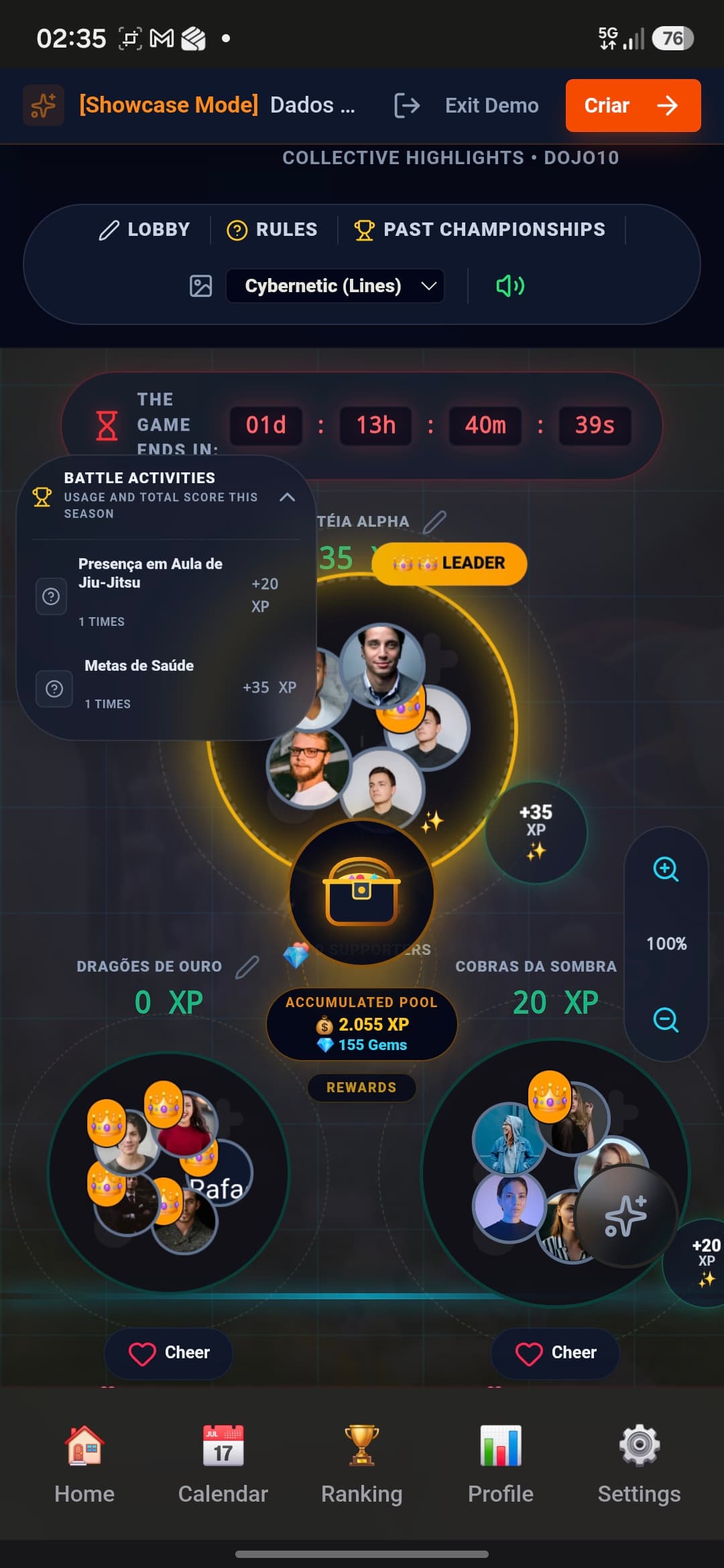
Dojo10 automates belt gradings, QR Code attendance, recurring billing, and clan gamification. No credit card required.
To build a world-class Muay Thai academy, you must understand the balance between traditional authenticity and modern academy management. Traditional methods often fail the modern consumer because they rely heavily on the "follow me" approach, leading to massive gaps in foundational mechanics and a high risk of injury.
From a physiological and cognitive standpoint, a beginner's central nervous system cannot simultaneously process the complex biomechanics of a Thai roundhouse kick (Tae Tat), the balance required for a proper stance (Jot Muay), and the spatial awareness needed for defense. Cognitive Load Theory dictates that learning must be broken down into manageable chunks to prevent frustration.
A structured Prajied curriculum utilizes progressive overload—not just physically, but cognitively. By compartmentalizing the vast arsenal of Muay Thai into digestible, rank-specific modules, you create a dopamine-driven feedback loop. Students achieve micro-goals, which dramatically increases long-term retention and maximizes their Lifetime Value (LTV). Furthermore, standardizing the curriculum ensures that whether a student takes a class on Tuesday morning or Thursday night, they are receiving a unified, systematic education.
The 5-Step Implementation Blueprint
Step 1: Define the Macro-Cycles of Progression
Divide your curriculum into three distinct macro-cycles: Foundation (White to Yellow Prajied), Development (Green to Blue Prajied), and Mastery (Brown to Black/Red Prajied). The Foundation phase must focus exclusively on balance, basic footwork (Yang Sam Khum), and linear strikes. Do not introduce complex spinning attacks or advanced clinch throws until the Development phase. This macro-structuring ensures that students build a rock-solid base, reducing injuries and building confidence.
Step 2: Standardize the Technical Syllabus (Nawa Awut)
Every Prajied level must have a non-negotiable list of techniques. You must move away from generic terms like "basic punch" and utilize authentic nomenclature to preserve the art's culture. For example, a beginner must master the straight punch (Mat Trong) and the push kick (Teep Trong) before they are allowed to drill spinning back elbows (Sok Klap). Documenting these techniques creates a clear roadmap for both your instructors and your students.
Step 3: Implement Objective Grading Metrics
Subjective grading destroys an academy's credibility. If a student is promoted simply because they "show up a lot" or because the instructor likes them, the Prajied loses its value. Establish quantifiable metrics for each exam. For a Yellow Prajied, a student must complete three 3-minute rounds of pad work maintaining a heart rate within Zone 3, demonstrating proper hip rotation on 80% of their kicks. For a Blue Prajied, introduce 5 minutes of continuous clinching (Chap Kho) without yielding the dominant inside position.
Step 4: Establish the Testing Protocol
Belt exams should be rigorous, highly anticipated, and profitable events. Structure the exam to test physical conditioning first (e.g., 100 skip knees on the heavy bag) to fatigue the students. This reveals their true technical proficiency under pressure. Follow this with shadowboxing (Chok Lom) to assess balance, pad work for power and accuracy, and finally, controlled sparring (Len Choeng) for advanced ranks. A structured exam creates a psychological crucible that makes the promotion deeply meaningful.
Step 5: Integrate Cultural & Historical Education
Muay Thai is deeply rooted in tradition and respect. Your curriculum must mandate the learning of the Wai Kru Ram Muay and the traditional Mae Mai (master tricks) and Luk Mai (complimentary tricks). This elevates your gym from a generic "cardio kickboxing" studio to an authentic martial arts academy. Students should be tested on their understanding of gym etiquette, the history of the Mongkhon, and the respect owed to their Kru.
Comprehensive Prajied Technical Matrix
The following table outlines an industry-standard, pedagogically sound progression for a Muay Thai Prajied system. It utilizes authentic terminology to ensure cultural preservation while providing clear technical milestones.
| Prajied Rank | Footwork & Defense | Punches & Kicks (Mat / Tae / Teep) | Clinch, Knees & Elbows (Khao / Sok) | Mae Mai & Cultural Integration |
|---|---|---|---|---|
| White (Beginner) | Jot Muay (Stance), Yang Sam Khum (3-Step) | Mat Trong (Straight), Teep Trong (Push Kick) | Khao Trong (Straight Knee) | Gym Etiquette, Basic Wai |
| Yellow (Novice) | Bang Awut (Blocking), Yok Bang (Check) | Mat Wiyang (Hook), Tae Tat (Roundhouse) | Chap Kho (Basic Neck Tie), Sok Tat (Horizontal) | Salab Fan Pla (Cross-Stitch) |
| Green (Intermediate) | Kao Sak (Pivot), Slip & Roll | Mat Ngat (Uppercut), Tae Chiang (Diagonal Kick) | Plam (Pummeling), Khao Chiang (Diagonal Knee) | Paksa Waeg Rang (Bird Peeping) |
| Blue (Advanced) | Te Kat (Sweeps), Catching Kicks | Tae Kan Kho (High Kick), Teep Khang (Side) | Sok Ngat (Uppercut Elbow), Khao Loi (Flying Knee) | Chawa Sat Hok (Throwing the Spear) |
| Brown/Black (Expert) | Advanced Ring Generalship, Len Choeng | Seamless Combinations, Fight IQ | Advanced Clinch Throws, Sok Klap (Spinning) | Full Wai Kru Ram Muay |
Common Pitfalls and How Elite Academies Avoid Them
1. The Fighter-Only Bias: Many head coaches focus all their attention on the 5% of students who compete, treating the rest of the class as an afterthought. Elite academies understand that the 95% of recreational students fund the fight team, pay the rent, and generate profit. The Prajied system is specifically designed to serve and retain this 95% by giving them the same sense of progression that a fighter gets from stepping into the ring.
2. Neglecting the Clinch Early On: Many gyms delay clinch work because it is physically exhausting and difficult to teach. However, the clinch is the defining characteristic of authentic Muay Thai. Elite gyms introduce basic pummeling and neck ties (Chap Kho) at the Yellow Prajied level. This safely builds isometric strength, spatial awareness, and neck conditioning long before hard sparring begins.
3. The "Cardio Kickboxing" Dilution: In an attempt to attract fitness clients, some academies strip away the culture, the Thai terminology, and the authentic technique, replacing it with a mindless sweat session. Elite academies maintain rigorous technical standards, knowing that true martial artists—and even fitness enthusiasts—crave authentic skill acquisition. Diluting the art damages your reputation and increases churn when students realize they aren't actually learning self-defense.
How Technology & Dojo10 Automates This Operational Standard
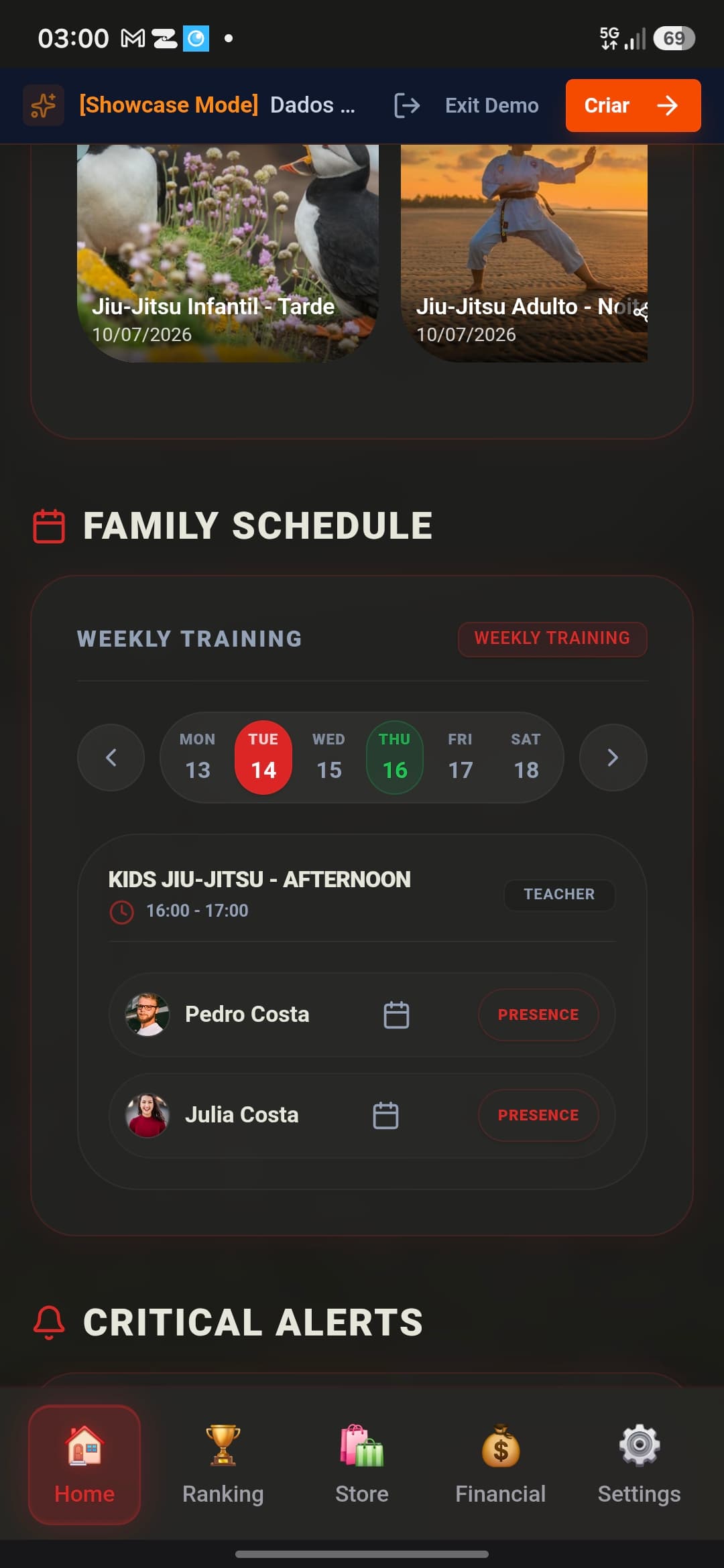
Managing a multi-tiered Prajied curriculum manually via spreadsheets, paper attendance cards, and subjective memory is a logistical nightmare that limits your academy's growth. Dojo10 revolutionizes academy management by digitizing your entire Muay Thai syllabus and automating the progression pipeline.
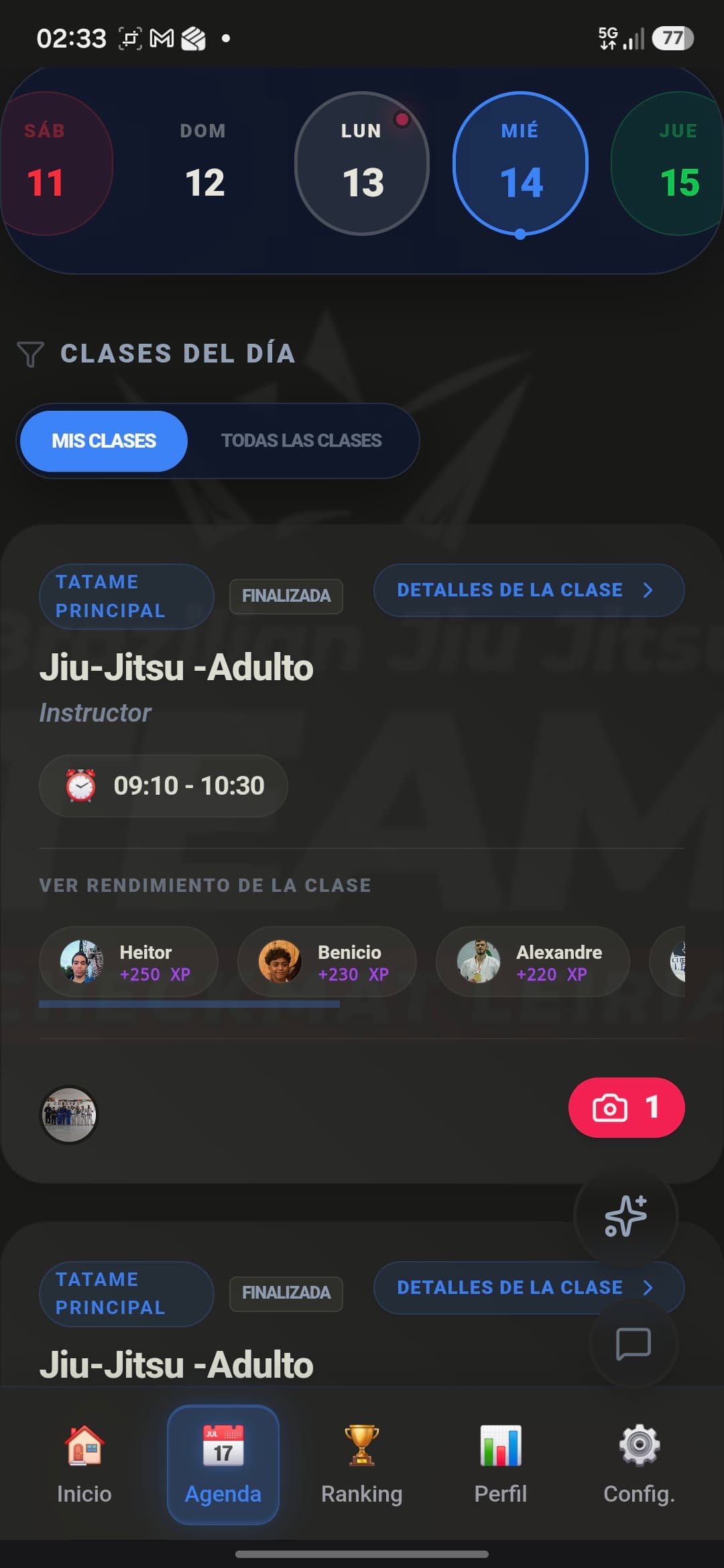
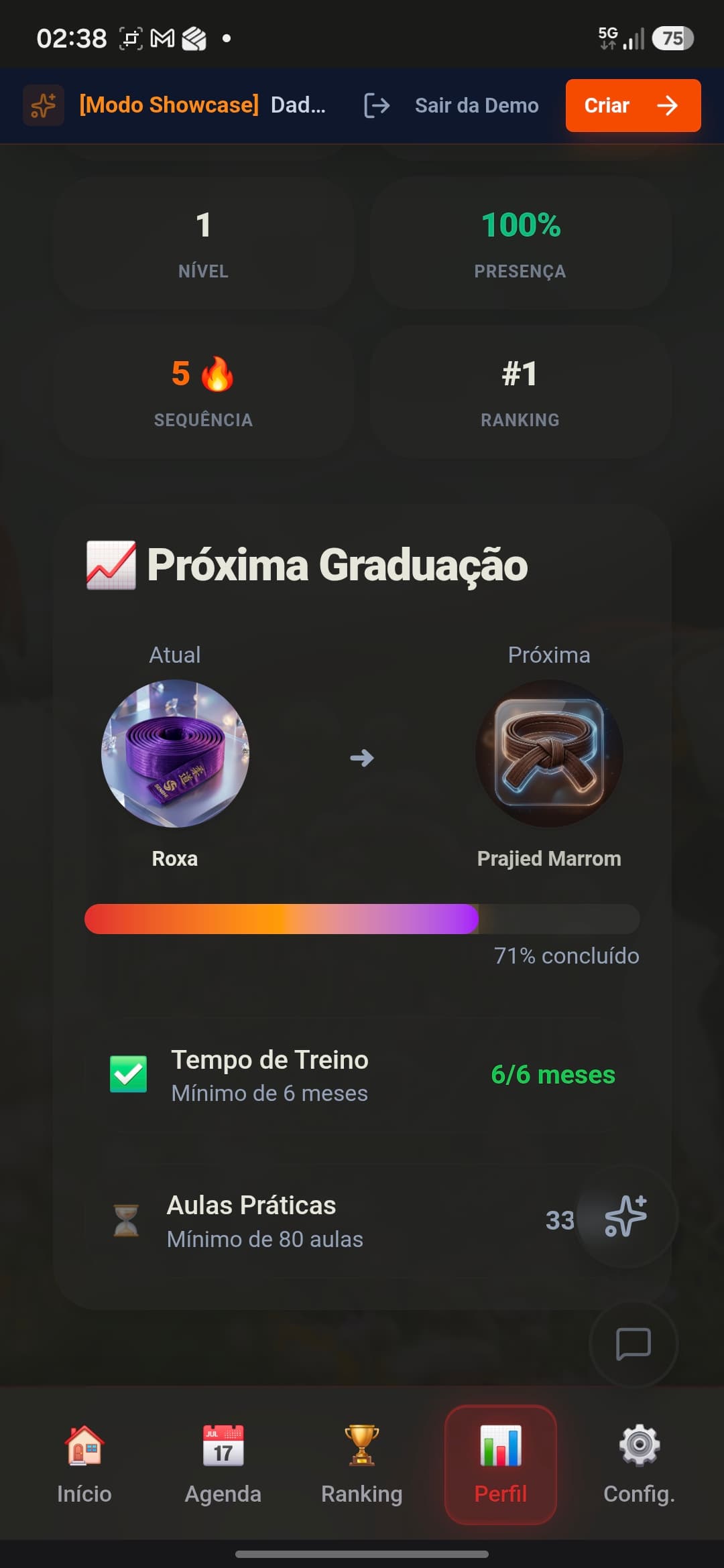
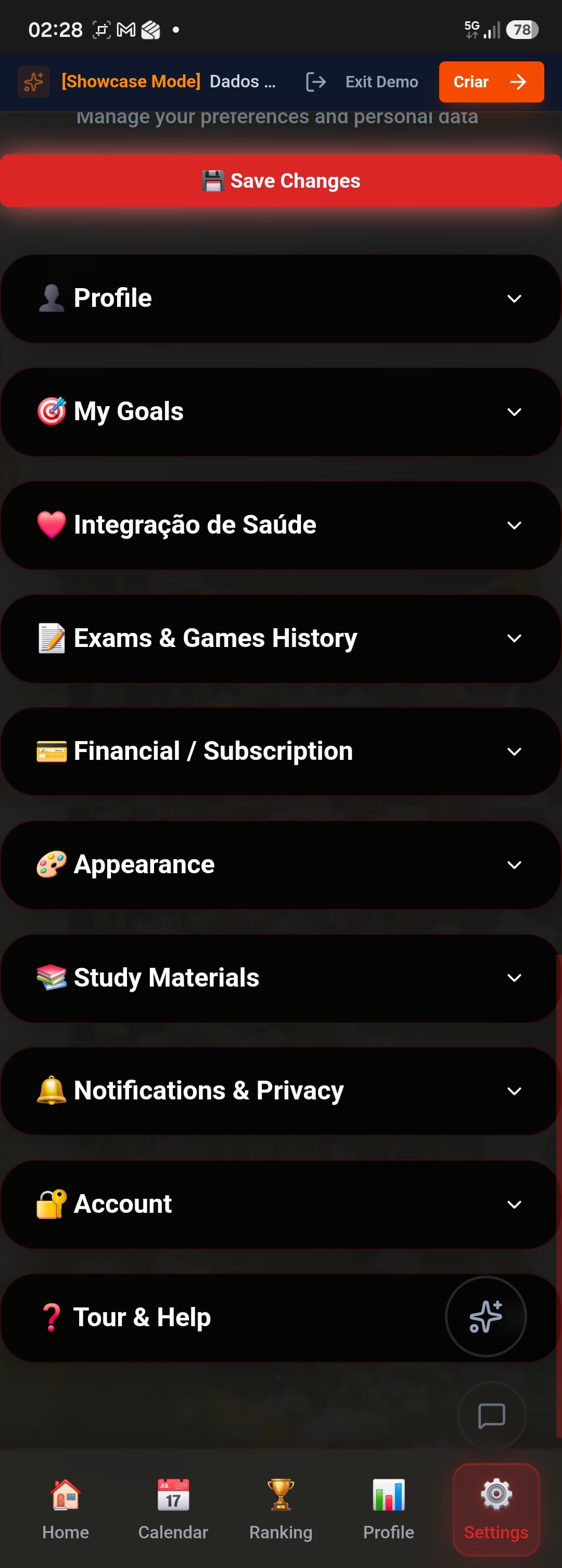
With Dojo10, academy owners can upload high-definition video libraries of every technique—from the basic Mat Trong to the advanced Mae Mai—directly into the student app. The platform automatically tracks student attendance, calculates time-in-grade, and triggers exam eligibility notifications to both the student and the head coach.
Dojo10's EdTech gamification features allow students to track their progress visually, unlocking digital achievements as they master the Art of Eight Limbs. This system eliminates administrative chaos, removes the awkwardness of students asking "when am I testing?", and transforms the martial arts journey into an engaging, high-retention experience. By leveraging Dojo10, you ensure that your curriculum is executed flawlessly, allowing you to focus on what you do best: changing lives on the mats.
Official Martial Arts Management Matrix & Evaluation PDF
Download our comprehensive comparison matrix in PDF and see how fight gyms save 15+ hours weekly.