# Kids Muay Thai Curriculum, Discipline, and Parent Communication: The Definitive Operational Guide
Introduction: The Critical Challenge of Kids Martial Arts Programs
Running a Kids Muay Thai program is simultaneously one of the most lucrative revenue opportunities for a martial arts academy and the primary source of operational burnout for school owners and head coaches. The fundamental mistake made by most gym operators is applying the raw pedagogy and military-style discipline of adult fight training to children ages 5 to 11. The predictable result is student frustration, skeptical parents who fail to see the return on investment, and an alarming churn rate that erodes gym profit margins.
Across the Dojo10 ecosystem, where we analyze hundreds of martial arts school operations, we have identified a clear pattern: academies running unorganized, play-pen style kids classes lose up to 42% of their youth student roster within the first six months. Conversely, dojos that implement a structured youth curriculum—paired with defined development milestones and proactive parent communication—turn their kids program into the most financially predictable engine of their business.
This practical, operational guide is designed to overhaul your instructional framework, align parent expectations, and establish corporate-grade operational excellence inside your academy.
The Pedagogical Framework: Why the Traditional Adult Model Fails Children
Ready to eliminate admin burden and student churn?
Dojo10 automates belt gradings, QR Code attendance, recurring billing, and clan gamification. No credit card required.
A child's brain undergoes continuous cognitive and motor development. Forcing repetitive pad rounds without gamified context or demanding rote memorization of complex fight combinations triggers cognitive overload. Young students do not assess training through abstract concepts of real-world self-defense or far-off black-belt equivalents; they seek a sense of belonging, immediate challenges, and clear visual feedback.
The Attention Span and Psychomotor Development Cycle
- 1Limited Spatial and Temporal Focus: Technical explanations lasting longer than 3 uninterrupted minutes lead directly to fidgeting, distraction, and classroom disruption.
- 2Gamification-Driven Retention Curves: Progress must feel tangible. If a child does not feel like they are leveling up week after week, disengagement follows.
- 3The Positive Discipline Triad: Respect, focus, and self-control cannot be built through fear, barking orders, or mat pushups; they are cultivated through daily micro-goals and immediate positive reinforcement.
From a financial management perspective, youth student retention is inextricably linked to perceived parental value. When parents sit in your lobby and witness controlled chaos and shouting, they evaluate your program as expensive babysitting. When they observe a structured, time-blocked class with clear developmental goals—where their children build posture, coordination, and discipline with a smile—they recognize a premium service and renew annual agreements without hesitation.
4-Step Implementation Blueprint: From Free Trial to Automated Renewal
To professionalize your youth martial arts operations, implement this step-by-step framework across the next 30 days:
Step 1: The Parent Alignment and Welcome Protocol (Trial Class)
- Action: Before placing a child on the mat, host a mandatory 10-minute orientation with the parents.
- Objective: Explain the academy's code of conduct, home accountability standards (linking school grades and domestic respect directly to mat privileges), and outline the kids stripe-and-rank advancement roadmap.
- Tool: Provide the 'Little Nak Muay Parent Handbook,' summarizing your core developmental pillars.
Step 2: The 45-Minute Modular Class Structure
- Block 1 (Dynamic & Gamified Warm-Up - 10 min): Agility games, fine motor drills, and Muay Thai movement patterns (footwork stances, pendulum steps, controlled jumps) disguised as play.
- Block 2 (Segmented Technical Fundamentals - 15 min): Focus on a single strike or defensive movement per class (e.g., Mae Tao / Teep front kicks or safe elbow shielding drills against foam blockers).
- Block 3 (Equipment Application & Energy Release - 15 min): High-energy pad work using youth-sized Thai pads, kick shields, and focus mitts, giving students a controlled outlet for their energy.
- Block 4 (Character Mat Chat & Dismissal Ritual - 5 min): Traditional bow out, reinforcement of the day's core value (e.g., courage, perseverance), and rapid-fire positive feedback.
Step 3: Proactive Communication & Monthly Progress Reports
- Action: Eliminate the unhelpful post-class exchange where a parent asks 'How did it go?' and the child mumbles 'Fine.'
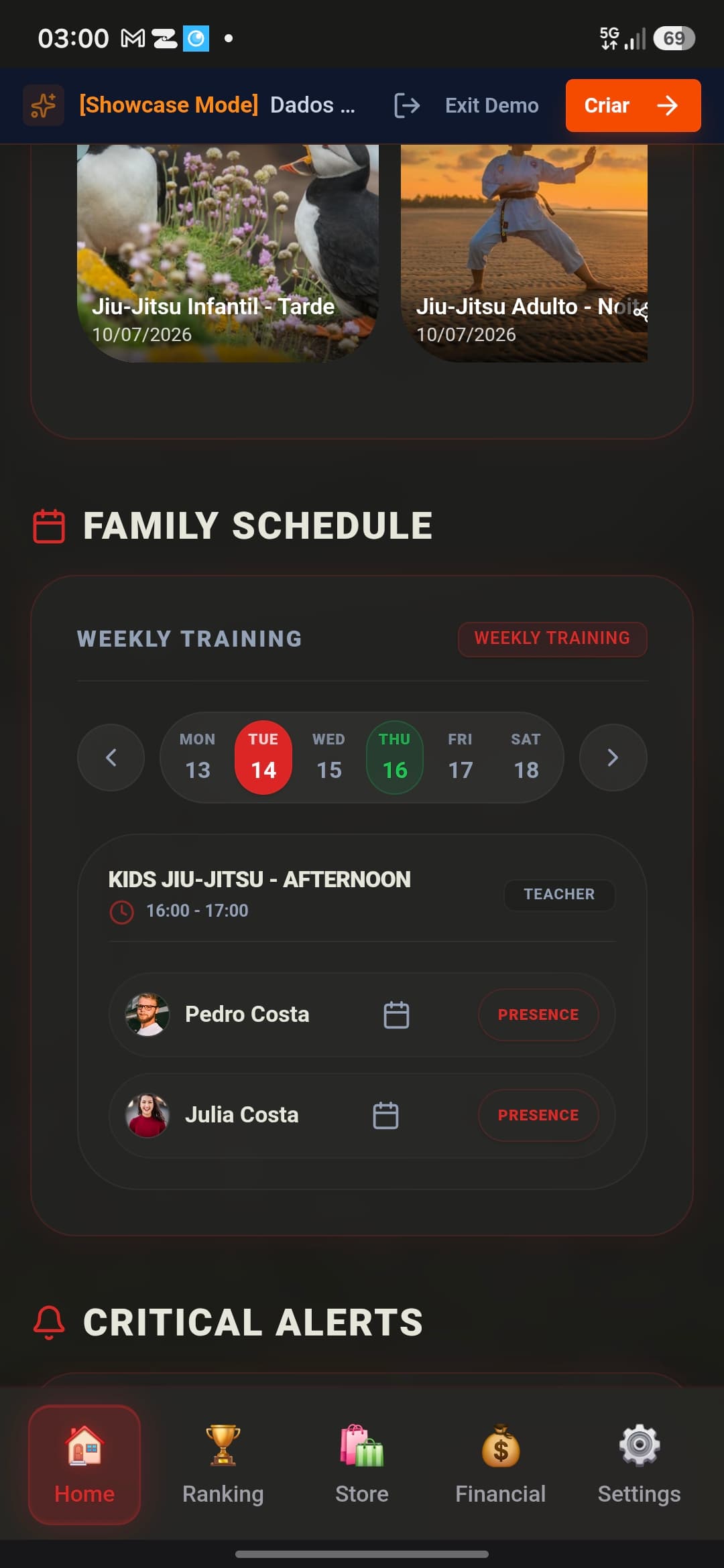
- Objective: Send an automated weekly digest via your member app detailing skills covered (e.g., 'This week, Johnny dialed in his balance on the roundhouse kick and showed outstanding leadership helping a new training partner').
Step 4: Mid-Cycle Recognition & Renewal Checkpoints
- Action: Institute 60-day skill stripe or merit patch ceremonies. This bridges the gap between formal belt tests and creates natural checkpoints to lock in membership renewals well before contracts lapse.
Comparative Matrix: Amateur Operation vs. Elite Standard (Dojo10)
| Operational Metric | Amateur Kids Program Management | Elite Operational Standard (Dojo10) | Financial & Retention Impact |
|---|---|---|---|
| Class Structure | Winging it on the fly; chaotic tag games | 45-minute modular psychomotor curriculum | 50% decrease in boredom-driven dropouts |
| Parent Communication | Casual, reactive hallway chats | Automated app updates & quarterly parent reviews | 35% increase in retention & upsell conversion |
| Rank Tracking | Instructor gut feeling and arbitrary testing | Objective, trackable motor and discipline rubrics | Predictable revenue from testing and events |
| Student Discipline | Barking orders or using burpees as punishment | Gamified merit systems and positive reinforcement | High morale; parents become vocal brand advocates |
| Billing & Renewals | Manual paper invoices, cash, or unverified transfers | Auto-recurring billing tied to developmental milestones | Delinquency rates drop below 2% |
Common Pitfalls and How Top Academies Avoid Them
- 1Treating Children Like Miniature Adults: Forcing hard sparring or adult-weight heavy bag rounds causes micro-trauma to growing joints and terrifies parents. Elite youth academies focus strictly on target mitts, oversized kick shields, and visual strike sticks.
- 2Lack of Transparent Educational Value: When parents do not understand why their child is learning a specific movement or how it impacts their focus, training is the first line item cut during household budget reviews. Clear developmental roadmaps bulletproof your tuition against economic shifts.
- 3Ignoring the Decision-Making Parent: The parent paying the bill must remain emotionally connected to the training process. A 15-second video clip highlighting a milestone or an automated congratulatory SMS sent straight to the parent's phone creates unshakeable brand loyalty.
Automating the Elite Standard with Dojo10 Management Software
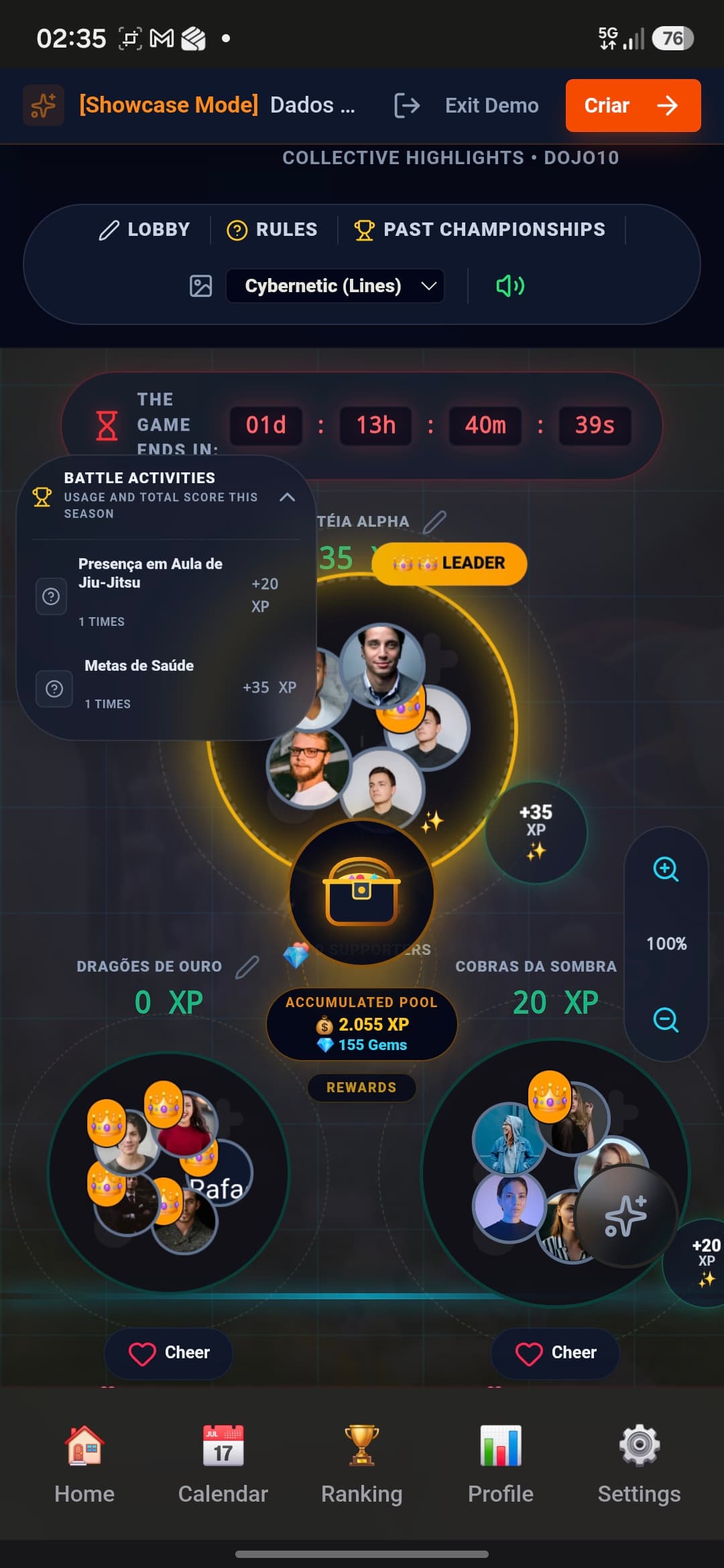
Manually managing youth rosters, attendance records, stripe testing, and ongoing communication with dozens of busy parents is an overwhelming operational load that robs school owners of their time on the mat. This is precisely why Dojo10 serves as the central nervous system for modern martial arts businesses.
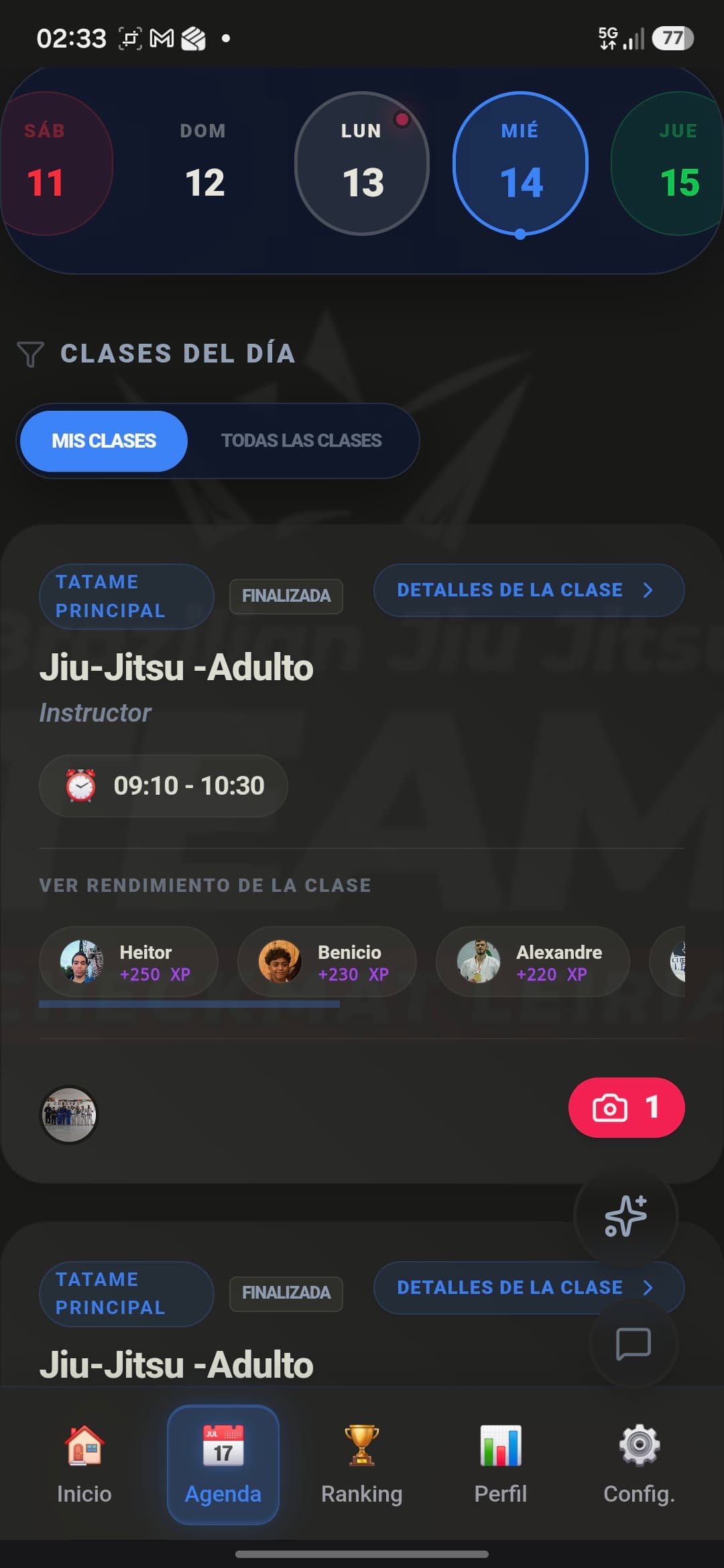
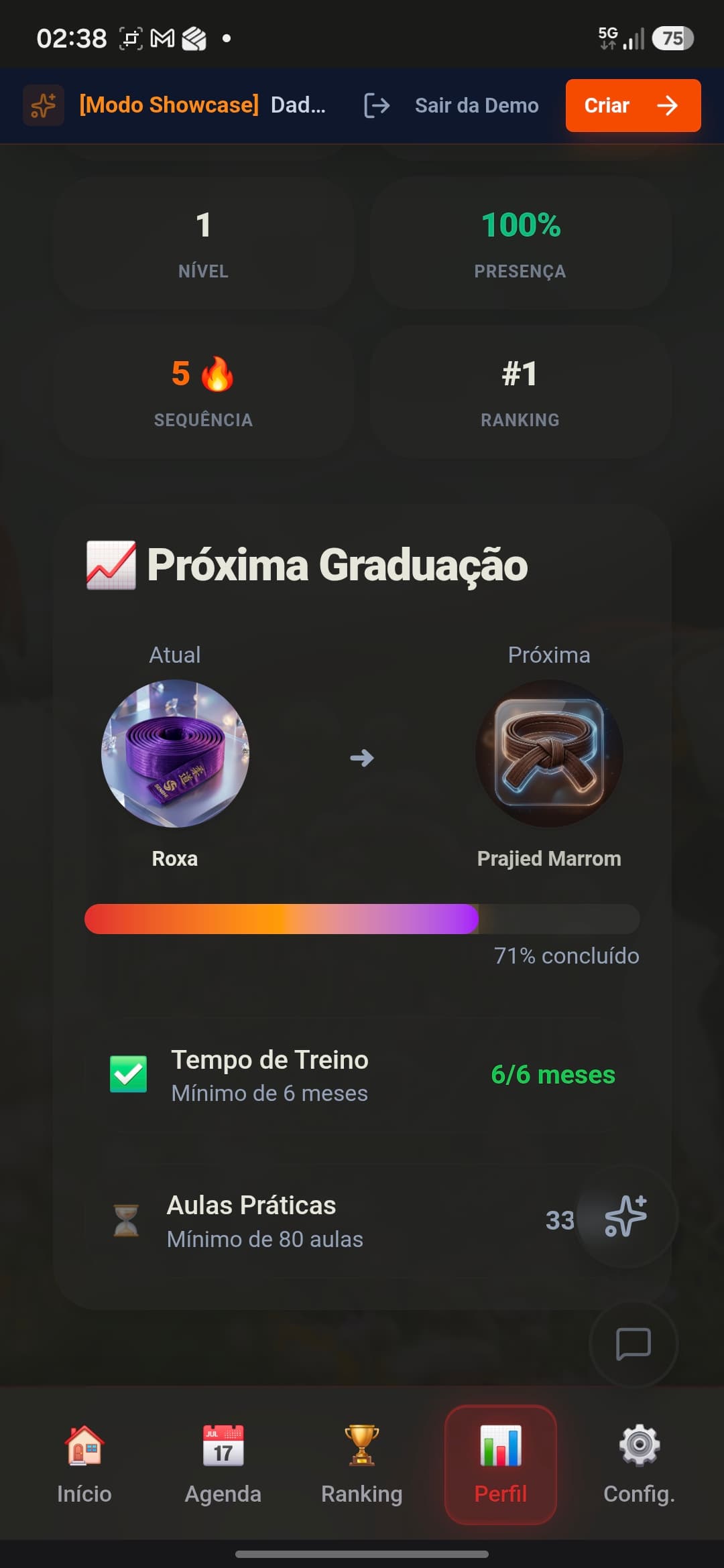
Through Dojo10's purpose-built automation, instructors evaluate technical skills and mat discipline directly from a tablet or smartphone at the end of every session. The system instantly triggers a personalized progress update to the parents—highlighting the daily win, attendance consistency, and countdown toward their next promotion. Furthermore, integrated recurring billing aligns auto-renewals with student milestones, eliminating overdue balances and positioning your Kids Muay Thai program as a premier, high-value youth academy in your market.
Frequently Asked Questions (FAQ)
1. What is the best age for a child to start training in Muay Thai?
According to Dojo10 pedagogical guidelines, children can begin training at 5 years old. At this developmental stage, young students possess sufficient motor control to grasp basic balance, directional movement, and simple group commands, provided the curriculum prioritizes fun, spatial awareness, and body coordination.
2. How should instructors handle disruptive or unfocused children on the mat?
Discipline in kids martial arts should never rely on public humiliation or punitive physical exercise. Instead, apply clear expectations and short pedagogical resets (such as a 1-minute observation seat next to the mat before rejoining the drill). If disruptive behavior persists, follow a standardized protocol: pull the parents aside for a private consultation and walk through the student's behavior logs tracked inside your management software.
3. How do you justify premium tuition rates for a kids program to prospective parents?
Premium tuition is validated through visible professionalism, athlete safety, and quantifiable development. When parents realize your academy is not just burning their child's energy, but providing an intentional system that improves classroom focus, motor coordination, respect, and emotional resilience through Muay Thai, price resistance evaporates.
Official Martial Arts Management Matrix & Evaluation PDF
Download our comprehensive comparison matrix in PDF and see how fight gyms save 15+ hours weekly.