# Kids Boxing Curriculum, Discipline, and Parent Communication: The Definitive Operational Guide
Running a combat sports academy requires balancing a passion for the sweet science with the cold reality of business metrics. When it comes to youth programs (Kids Boxing), the challenge multiplies. Most gym owners and head coaches make the fatal error of replicating adult training methodologies—characterized by heavy sparring, extreme physical exhaustion, and mechanical repetition—for 6- to 12-year-olds. The outcome is entirely predictable: boredom, student dropouts within 90 days, dissatisfied parents who fail to see tangible value, and a devastating blow to recurring gym revenue.
As the leading global authority on martial arts school management and educational gamification at Dojo10, our mission in this definitive guide is to dismantle that obsolete model. We break down the pedagogical, behavioral, and communication framework required to turn your youth boxing classes into engines of retention, student engagement, and organic word-of-mouth referrals.
The Root Cause: Why Traditional Youth Boxing Programs Fail
The traditional boxing ecosystem was built around developing competitive fighters or training adults chasing high-intensity conditioning. When a child walks through your front door, they are not looking to cut weight or endure a grueling camp; their parents, meanwhile, are investing in psychomotor development, focus, discipline, respect, and emotional self-regulation.
The Pedagogical Disconnect
- Excessive Cognitive Load: Demanding complex 6-punch combinations (Jab, Cross, Lead Hook, Rear Hook, Uppercut, along with slips, rolls, and angles) without foundational proprioceptive skills breeds immediate frustration.
- Lack of Parent Feedback: The "drop your child off at the door and pick them up in an hour" dynamic creates a massive communication vacuum. Parents have zero visibility into whether their child improved technically or learned better discipline.
- Retention Friction (Churn): Without clear visual milestones or gamification, parents treat youth boxing tuition as a discretionary expense to cut during summer breaks or sports seasons.
To eliminate youth churn, you must implement a structured framework that merges the sweet science with modern motor learning principles and proactive family communication.
The 4-Phase Pedagogical Framework for Youth Boxing
Ready to eliminate admin burden and student churn?
Dojo10 automates belt gradings, QR Code attendance, recurring billing, and clan gamification. No credit card required.
Our curriculum divides youth development into four sequential, gamified pillars. Each phase establishes explicit technical, motor, and behavioral benchmarks.
Phase 1: Motor Literacy and Coordination (Ages 6-7)
Heavy bag work is kept to an absolute minimum in this foundational window. The primary focus centers on agility, bilateral coordination, balance, and rhythm. * Key Drills: Shoulder-tag games (controlled touch sparring), agility ladder drills, and elastic rope slips. * Benchmark for Success: Maintaining an orthodox or southpaw stance for 60 seconds without losing balance, alongside the ability to instantly execute directional footwork commands (forward, backward, lateral).
Phase 2: Technical Fundamentals and Guard Structure (Ages 8-9)
We introduce core strikes using an analytical approach, prioritizing biomechanical alignment over raw punching power. * Key Drills: Shadowboxing in front of mirrors focusing on full extension for the Jab and Cross, as well as rhythmic combination timing on micro mitts. * Benchmark for Success: Crisp, clean execution of two-strike combinations with an immediate, disciplined return of the hands to the chin (high guard).
Phase 3: Defense, Range Control, and Reactive Agility (Ages 10-11)
Boxing is fundamentally the art of hitting without getting hit. Here, we introduce foundational defensive mechanics to build safety, ring awareness, and tactical intelligence. * Key Drills: Bob-and-weave drills utilizing foam pool noodles, and active distance management using a defensive push jab. * Benchmark for Success: Fluidly anticipating and slipping simulated incoming strikes without flinching, closing the eyes, or breaking defensive posture.
Phase 4: Applied Fundamentals and Conditioning (Ages 12+)
A safe bridge into teen programs, introducing complex pad combinations and age-appropriate physical conditioning tailored to adolescent development. * Key Drills: Functional boxing circuit training and advanced shadowboxing rounds using timed intervals. * Benchmark for Success: Training autonomy, setting an example for younger students, and demonstrating immaculate respect for gym culture, equipment, and academy rituals.
Comparative Matrix: Traditional Boxing vs. The Dojo10 Kids Methodology
Below is the operational matrix that separates unorganized amateur gyms from elite combat sports academies powered by systematic management and modern coaching pedagogy.
| Operational Standard | Traditional Boxing Gym Approach | Dojo10 Kids Methodology (Elite) | Impact on Retention |
|---|---|---|---|
| Class Structure | Open sparring and arbitrary physical burnout | Skill-based circuits, interactive pad work, and motor skill progression | 85% drop in youth injuries and early dropouts |
| Parent Communication | Nonexistent or limited to behavioral complaints | Automated weekly mobile updates highlighting skill achievements | Dramatic increase in perceived value and parental referrals |
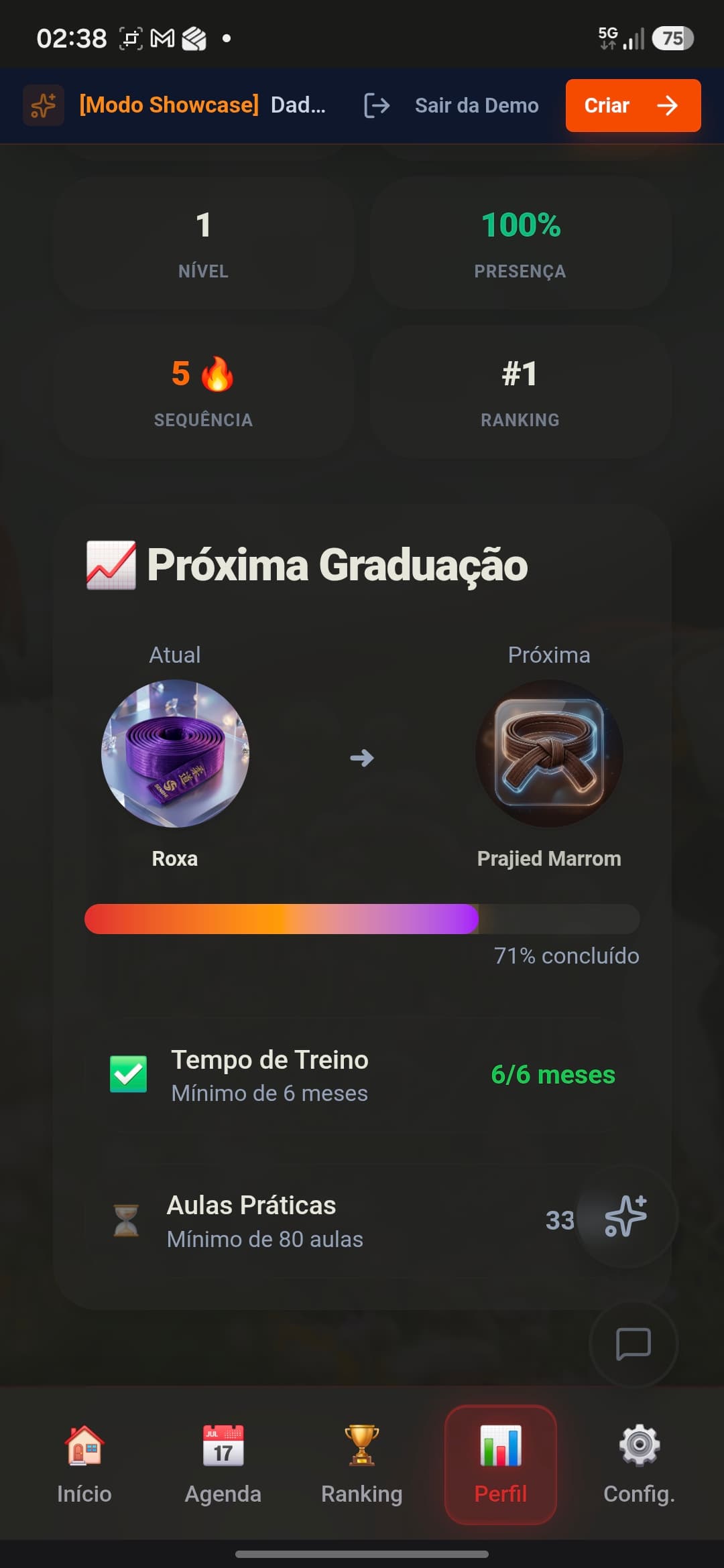
| Graduation / Ranking | No system or arbitrary glove color swaps | Gamified progression tracks (Badges, Stripe tags, and Skill Seals) | Boosts average student LTV past 14+ months |
| Discipline Management | Antiquated physical punishments (push-ups until failure) | Behavioral points system and mutually agreed student contracts | Safe, positive, and inclusive gym culture heavily praised by parents |
Strategic Parent Communication: The Secret to High Student LTV
The primary buyer of your youth boxing program is not the child—it is the parent signing the enrollment agreement and paying tuition. If parents fail to perceive the developmental value being instilled on the mats, that membership will be canceled at the first schedule conflict or budget adjustment.
1. The Bi-Weekly Milestone Report
Parents value tangible data. Instead of offering an uninformative "he had a good session today," implement an automated workflow where the coaching staff tracks key performance indicators: * Motor Skill Developed: (e.g., Bilateral coordination on the 1-2 combination). * Behavioral Competency: (e.g., Excellent partner safety and focus during focus mitt drills). * Next Bi-Weekly Objective: (e.g., Refining the defensive pivot after the cross).
2. The Values Alignment Meeting
During onboarding, provide every family with your "Young Boxer Code of Conduct." Explicitly demonstrate how the values instilled inside the gym (shaking the coach's hand, racking training gear, making eye contact) reinforce expectations at home and school. When parents see your academy as a true developmental partner in raising disciplined kids, price ceases to be an objection.
Common Pitfalls and How Elite Boxing Academies Avoid Them
- 1Permitting Hard Contact Sparring: Developing brains should never sustain head impacts. Elite academies enforce strict touch-tag sparring with body-only targets and foam pads, safeguarding students' long-term neurological and physical health.
- 2Treating Children Like Miniature Adults: Overly aggressive boot-camp drill sergeant behavior alienates youth practitioners and sparks immediate pushback from modern parents.
- 3Lacking Pedagogical and Operational Transparency: Running unstructured youth classes gives the impression of chaotic daycare. Software and standard operating procedures (SOPs) must be utilized to keep parents updated every step of the way.
How Dojo10 Technology Automates Operational Excellence
Scaling a youth boxing program without dedicated management technology leads straight to operational burnout. Dojo10 delivers the all-in-one operating platform engineered for high-growth combat sports academies.
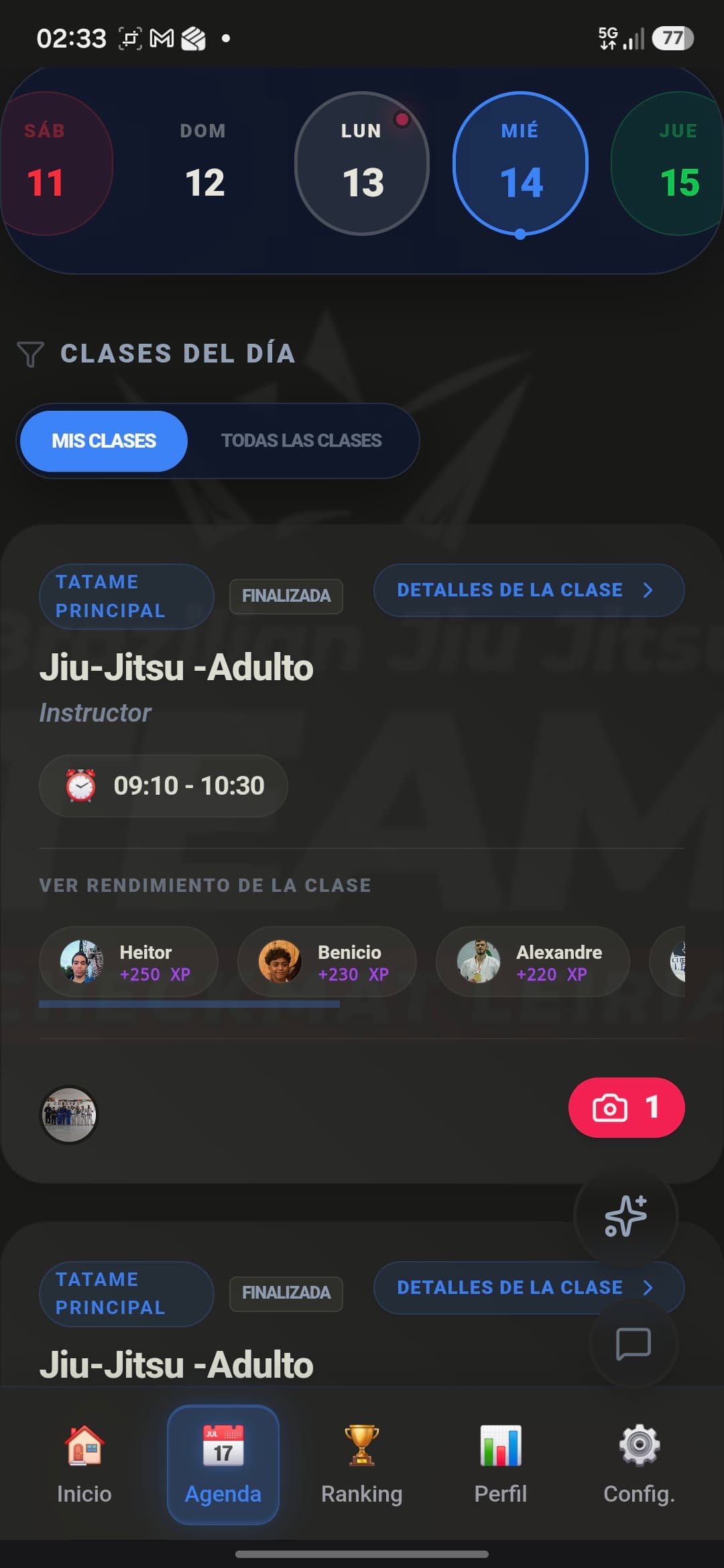
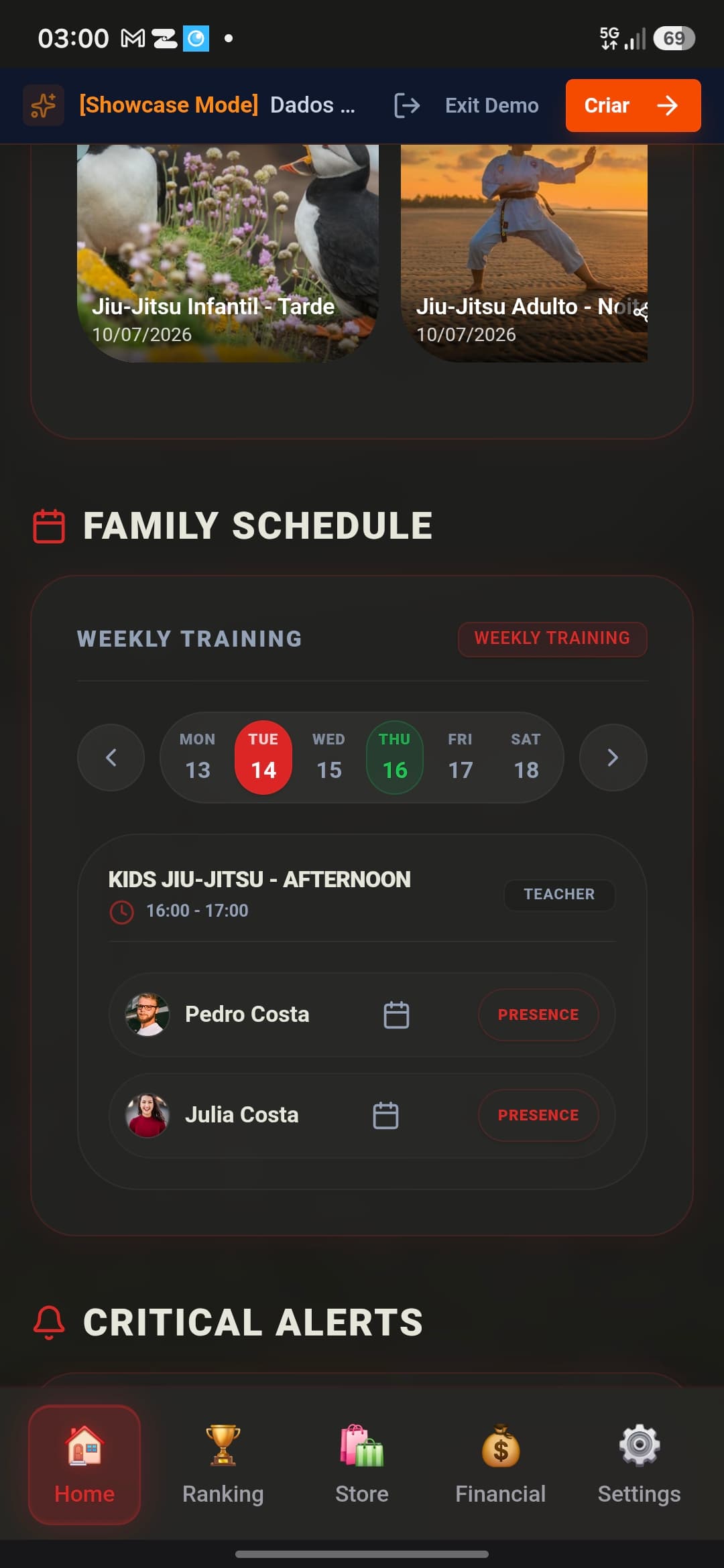
- Automated Parent Portal: Dojo10 puts attendance logs, milestone patches earned on the mat, and important academy announcements directly in parents' pockets, removing friction at the front desk.
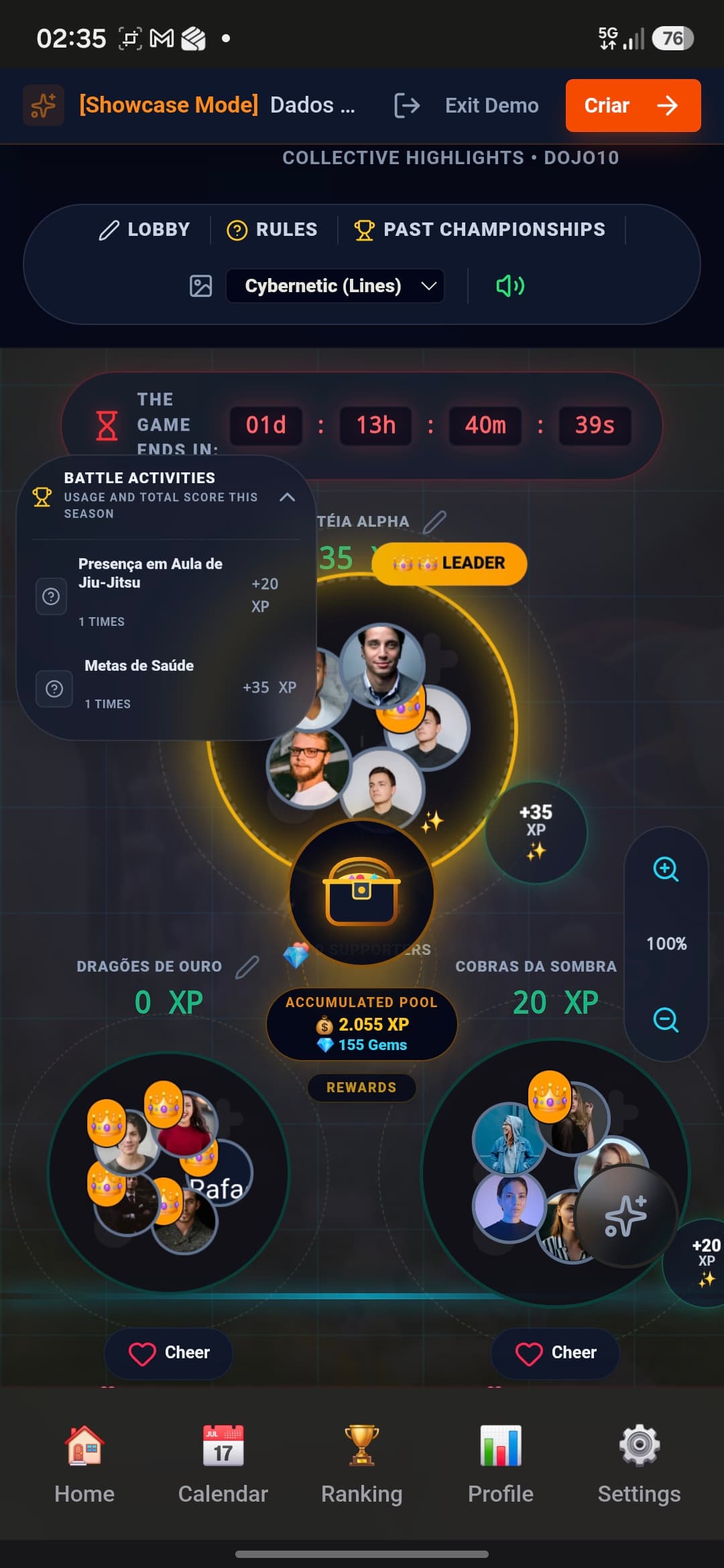
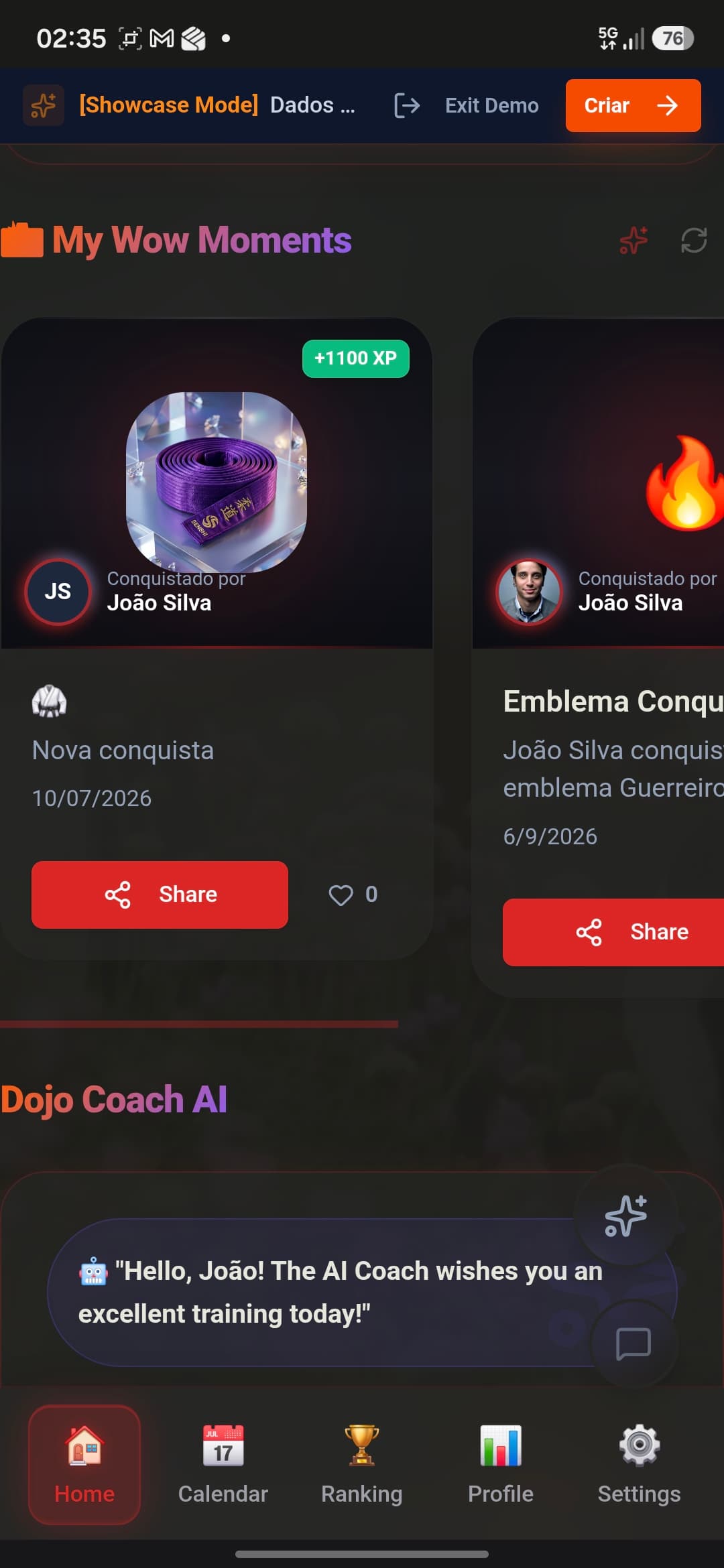
- Gamified Attendance and Skill Tracking: Kids earn digital and physical achievement badges as they complete boxing curriculums, driving consistent mat attendance and curbing seasonal churn.
- Automated Recurring Billing: Streamlined tuition collections, auto-charge renewals, and late-fee automations free up gym owners and head coaches to concentrate 100% on coaching quality and program delivery.
Adopt this curriculum framework, dial in your family communication strategy, and make your kids boxing program the most profitable, highly retained foundation of your martial arts business.
Frequently Asked Questions (FAQ)
What is the ideal age for a child to start non-contact youth boxing?
The recommended starting age for educational, non-contact youth boxing is 6 years old. At this stage, children have reached sufficient motor and cognitive maturity to follow multi-step instructions, grasp lateral coordination, and respect group safety rules without any aggressive physical contact or head impacts.
How should gym owners address parents concerned about boxing safety and violence?
The key lies in education, terminology, and branding. Frame your kids program as an Olympic-style athletic discipline rooted in agility, hand-eye coordination, emotional self-regulation, and defensive movement. Emphasize target pad work, defensive partner games, and an absolute ban on head impacts, highlighting that your structured classes are statistically safer than most youth team sports.
How does Dojo10 software help reduce churn in youth martial arts classes?
Dojo10 curbs youth churn by providing parents with transparent visibility into their child's athletic and personal growth through automated milestone updates, attendance gamification, and skill tracking. When parents consistently witness visible improvements in their child's coordination, focus, and discipline, tuition changes from an optional expense into an indispensable investment.
Official Martial Arts Management Matrix & Evaluation PDF
Download our comprehensive comparison matrix in PDF and see how fight gyms save 15+ hours weekly.