# Youth MMA Curriculum, Mat Discipline, and Parent Communication: A Practical Operational Guide
Managing kids' classes in a Mixed Martial Arts (MMA) academy presents one of the greatest paradoxes in the combat sports and fitness industry. On one hand, the youth segment represents a goldmine for predictable recurring revenue, extended Lifetime Value (LTV), and organic word-of-mouth referrals. On the other hand, it is the area with the highest potential for operational friction if it is not managed with rigorous methodology, refined pedagogy, and surgical parent communication.
Most head coaches and academy owners fail not because of a lack of technical combat expertise in the cage, but because they attempt to mirror adult training sessions—focusing on hard sparring, physical exhaustion, and competitive grinds—onto children aged 6 to 12. The outcome is devastating: high churn rates, dissatisfied parents who view the gym as a violent environment, and frustrated kids who fail to connect with the martial arts journey.
As the leading global authority on martial arts academy management and educational gamification through Dojo10, we present the gold standard in this guide to transform your youth program into an engine for retention, discipline, and family satisfaction.
1. The Critical Challenge: Why Traditional Kids' Martial Arts Models Fail
The fundamental mistake made by 90% of gym owners is the absence of an instructional progression adapted to pediatric neuroscience. Children do not process martial arts instruction the same way adults do. When an instructor steps onto the mat and runs a class based on repetitive, uninspired drilling (drill and kill) without play-based context or immediate feedback, three structural failures occur:
- Cognitive Overload and Frustration: A developing child's brain requires micro-goals. If the objective is simply to "learn how to fight MMA," the child disengages quickly.
- Parental Pushback Due to Misconceptions: Parents often walk in with deep-rooted biases and stigmas regarding MMA. If they watch a chaotic class without understanding the pedagogical objectives of motor coordination, respect, and discipline, a membership cancellation is imminent.
- Lack of Tangible Progress Indicators: Without a clear measurement system for physical, technical, and behavioral benchmarks, rank advancement appears arbitrary, eroding financial trust with paying parents.
To solve this, we must build a curriculum rooted in Behavioral Gamification and Operational Transparency.
2. Methodological Framework: The 4 Developmental Stages of Youth MMA
Ready to eliminate admin burden and student churn?
Dojo10 automates belt gradings, QR Code attendance, recurring billing, and clan gamification. No credit card required.
To ensure students progress safely and consistently, we structure the youth pathway into four progressive pedagogical modules. Each stage addresses specific motor, cognitive, and behavioral milestones.
[Stage 1: Psychomotor Fundamentals] ---> [Stage 2: Socialization & Body Awareness] ---> [Stage 3: Core Technique & Defense] ---> [Stage 4: Play-Based Application & Situational Sparring]
Stage 1: Psychomotor Fundamentals (Ages 6 to 7)
- Focus: Agility, gross motor skills, spatial awareness, and sustained attention.
- Dynamics: Adapted movement tag games, fundamental ground rolls, safe breakfalls (essential ukemi), and impulse-control drills using reaction commands.
Stage 2: Socialization and Body Awareness (Ages 8 to 9)
- Focus: Teamwork, mat etiquette, posture control, and regulating physical force.
- Dynamics: Introduction to core ground positions (guard, side control), simple transitions, and cooperative partner drills where the goal is helping teammates execute the movement cleanly.
Stage 3: Core Technique and Martial Structure (Ages 10 to 11)
- Focus: Combination recall, technical striking precision on pads/mitts, and foundational sport jiu-jitsu and scholastic wrestling.
- Dynamics: Partner drills prioritizing crisp technique over brute force. Introduction of adapted transitional sequences or movement chains to build muscle memory.
Stage 4: Play-Based Application and Situational Sparring (Ages 12 to 13)
- Focus: Low-pressure decision-making, emotional control, situational strategy, and combat ethics.
- Dynamics: Controlled situational sparring (e.g., light touch-sparring focused strictly on head movement and slips, or resetting from side control with strict contact parameters), emphasizing clean mechanics, defense, and absolute respect for training partners.
3. Comparative Guide: Traditional Instruction vs. The Dojo10 Youth Standard
Below is a direct comparison between academies running outdated youth programs and elite, data-driven martial arts academies powered by gamification.
| Operational Metric | Traditional Approach (Amateur) | Dojo10 Elite Standard (Professional) | Direct Business Impact |
|---|---|---|---|
| Class Structure | Chaotic, premature live sparring. | Periodized progression: Play-based $\rightarrow$ Technical $\rightarrow$ Situational. | 80% reduction in injuries and parent complaints. |
| Student Assessment | Subjective instructor guesswork on promotion days. | Metric-driven system tracking micro-goals (attendance, technique, behavior). | 45% increase in perceived value by parents. |
| Parent Communication | Casual, untracked lobby conversations. | Automated monthly progress reports and quarterly parent checkpoints. | Dramatic drop in churn caused by lack of alignment. |
| Retention (LTV) | 4 to 6 months on average. | 24+ months on average. | Highly predictable recurring cash flow. |
| Mat Discipline | Yelling, push-ups as punishment. | Positive reinforcement, gamified conduct points (gains/losses). | Higher focus, calmer mats, and a supportive environment. |
4. The Bulletproof Parent Communication Protocol
The primary driver of youth cancellations is rarely the child wanting to quit—it is the parent failing to see the return on investment. If parents do not observe distinct behavioral, character, and discipline progress in their child, your monthly tuition quickly becomes the first discretionary expense cut from the family budget.
To safeguard your academy against unneeded churn, implement this structured communication protocol:
The Dojo10 Quarterly Progress Report (Parent-Coach Report)
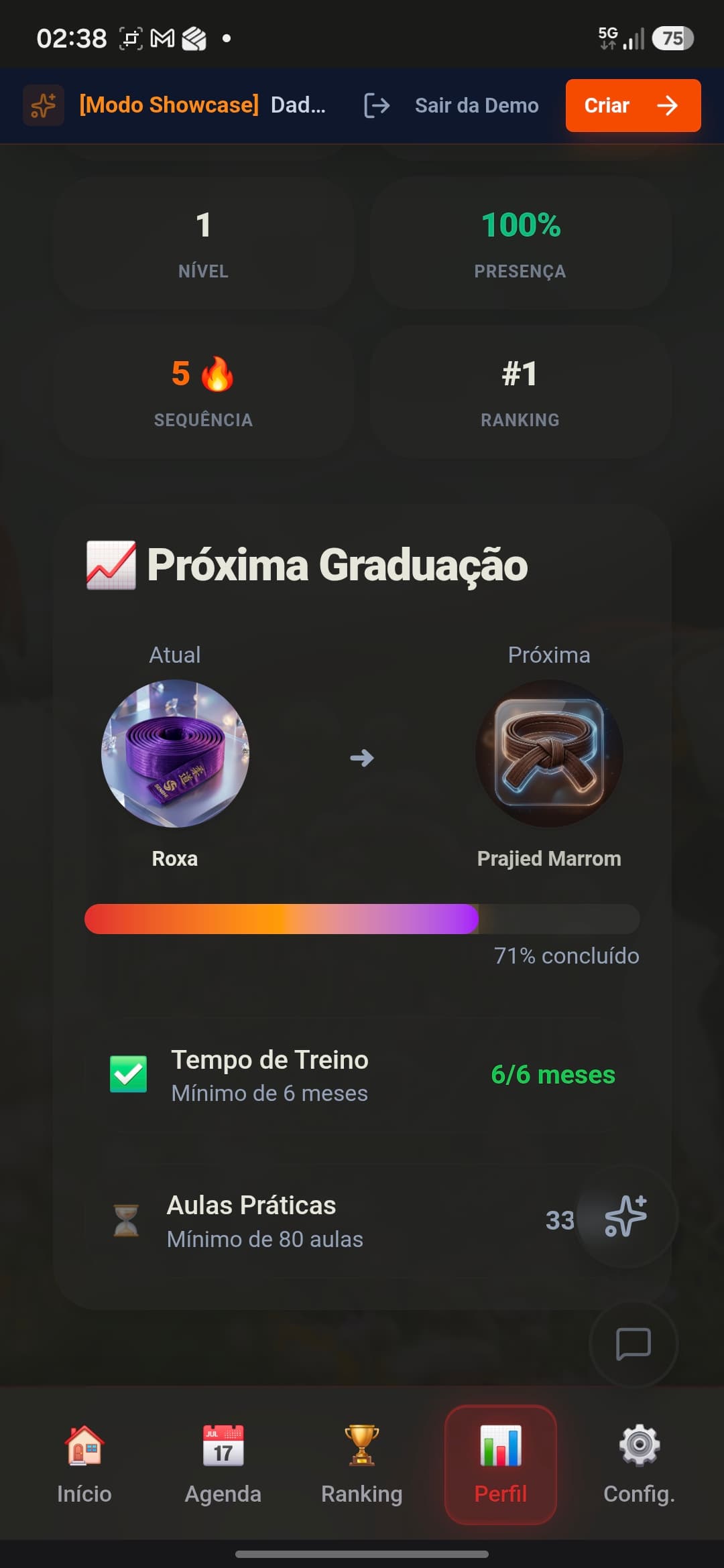
Instead of merely handing out a stripe or participation certificate at the end of a testing cycle, issue a report card covering three core pillars: 1. Technical Milestones: Specific fundamentals the student mastered (e.g., Double-Leg Takedown, Basic Guard Pass, Defensive Stance). 2. Character & Behavioral Growth: Instructor ratings in Focus, Respect for Peers, Resilience, and Punctuality. 3. Attendance & Gamification Metrics: Mat attendance percentages and skill badges unlocked throughout the quarter.
Parent Alignment Meetings and "Mat Chats"
Every six months, host a "Coffee with the MMA Coaches" session. During this 45-minute workshop, the head instructor demonstrates with student helpers what is being taught on the mats, explaining why youth MMA is not about fighting, but about physical literacy, self-defense, and mental resilience. This dismantles common cultural misconceptions and turns skeptical parents into your academy's most vocal brand ambassadors.
5. Avoiding Common Pitfalls in Kids' Combat Programs
- Pitfall 1: Permitting Uncontrolled or Heavy Head Contact.
- Solution:* Ban any heavy head impact for students under 14 years old. Keep the striking curriculum focused strictly on pads, heavy bags, mitt work, and defensive reaction drills, reserving live contact exclusively for positional grappling.
- Pitfall 2: The "Drill Sergeant" Instructor Who Pushes Kids Away.
- Solution:* Train coaching staff in positive coaching models. True mat discipline is commanded through consistency, structured rules, and high standards—never through public humiliation, screaming, or arbitrary physical punishment.
- Pitfall 3: Hidden or Ambiguous Belt Testing Fees.
- Solution:* Publish an annual testing calendar 90 days in advance, detailing curriculum requirements, eligibility criteria, and any associated belt testing fees with total clarity.
6. Automating the Standard with Dojo10 Technology
Managing dozens of active kids, tracking class attendance, logging conduct points, delivering parent progress reports, and scaling recurring revenue requires far more than manual clipboards or generic spreadsheets. This is where Dojo10 elevates your academy.
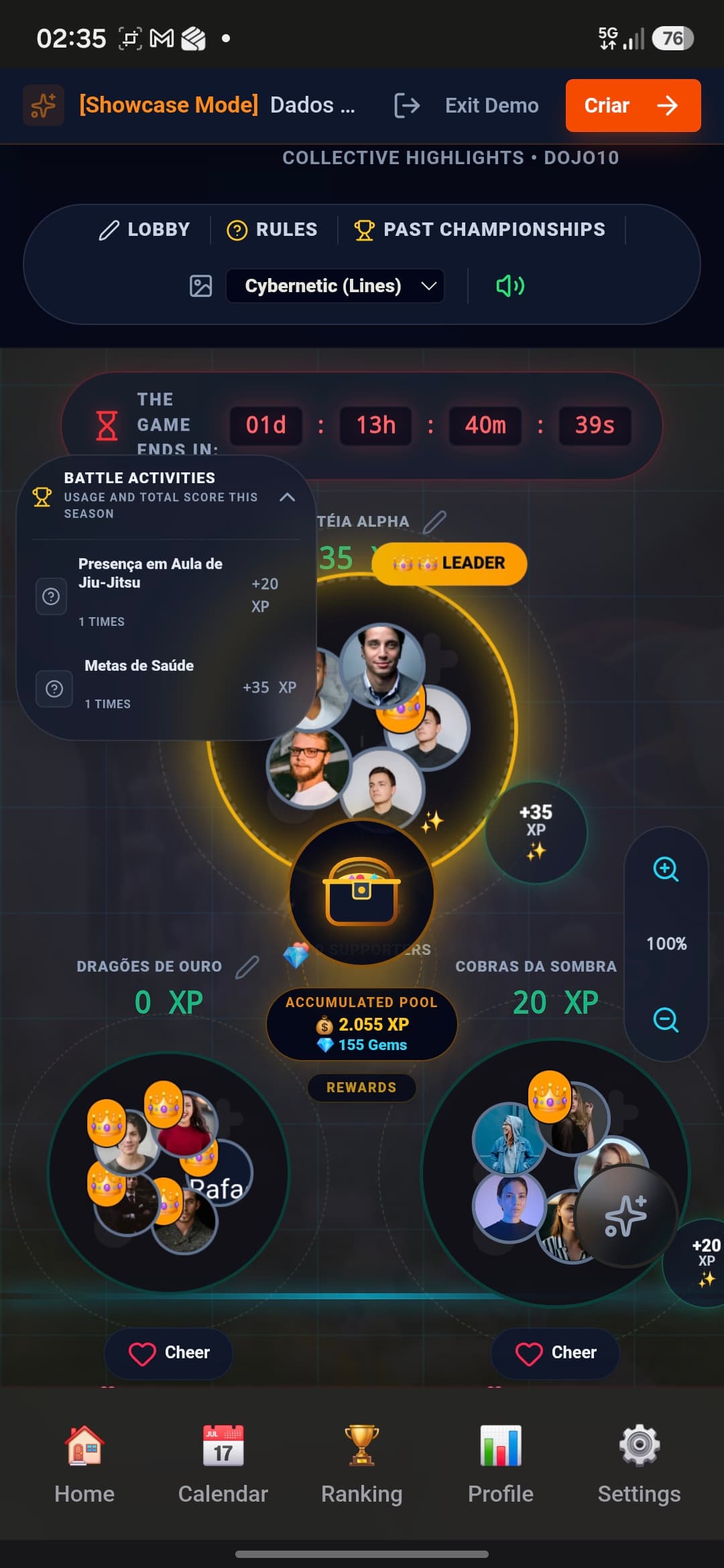
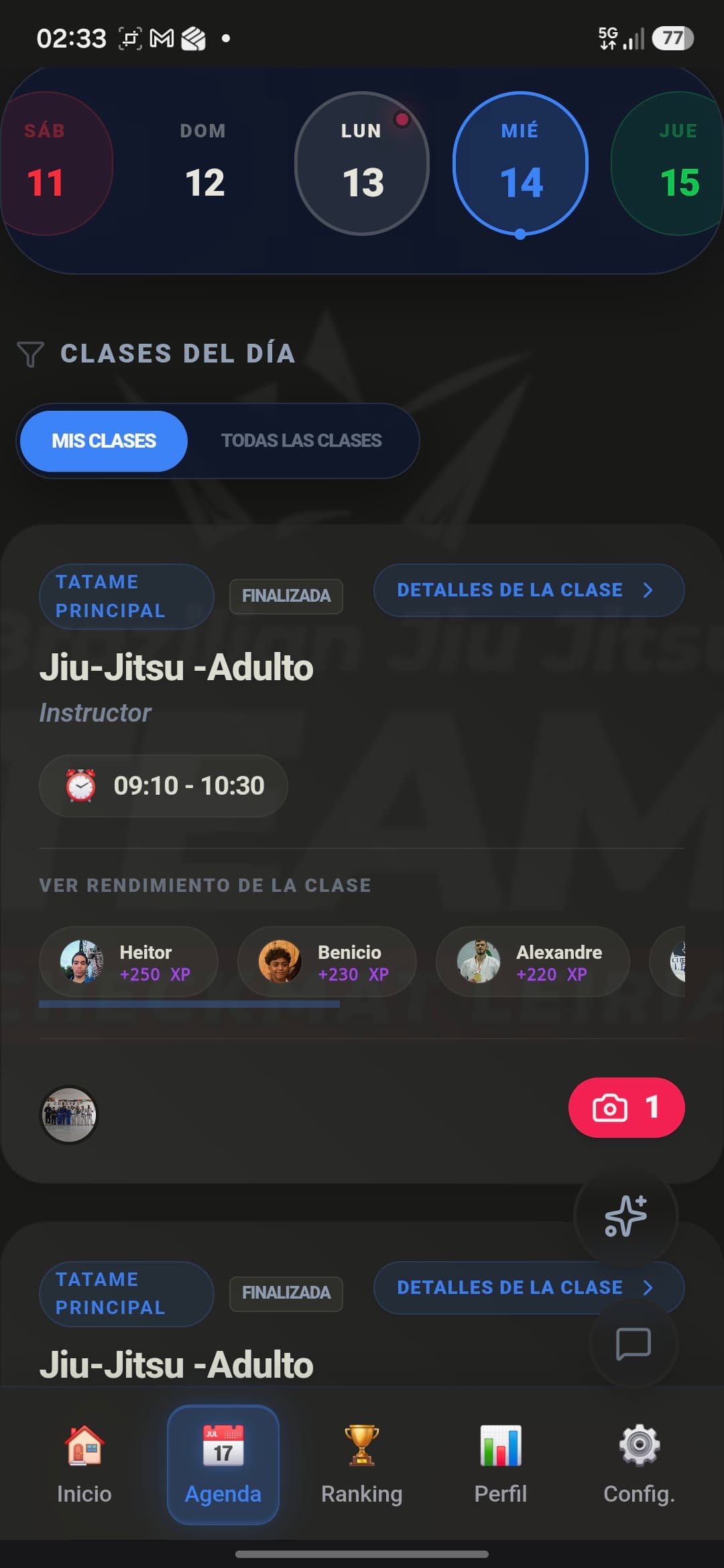
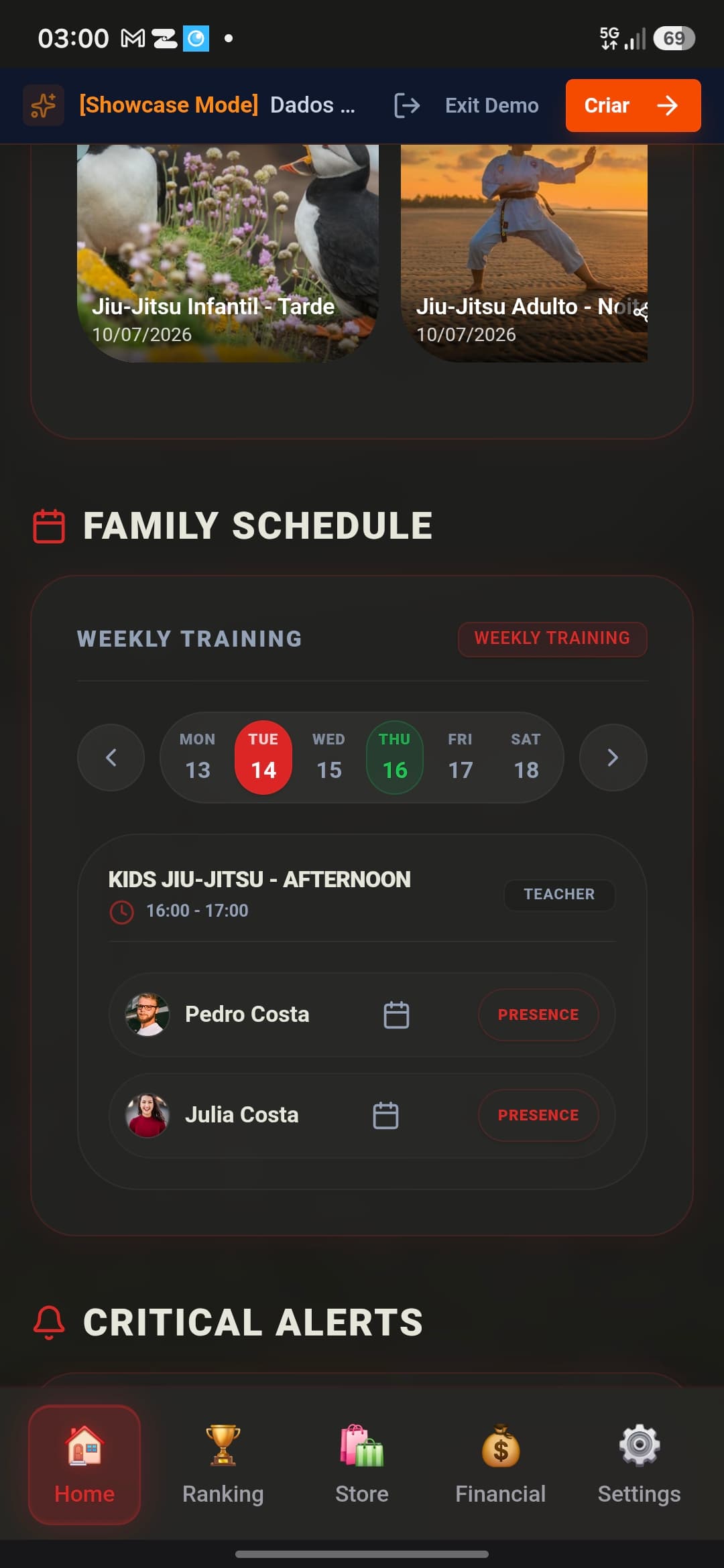
With our integrated academy management suite, you can automate: * Gamified Tracking: Students earn attendance and conduct points, unlocking badges visible inside the member mobile app and on interactive lobby leaderboards. * The Parent Portal & CRM: Parents receive real-time mobile notifications with performance highlights, promotion readiness alerts, and frictionless billing. * Curriculum Delivery: Instructors view the day's step-by-step lesson plan directly on an academy tablet, guaranteeing consistent, high-standard teaching across every mat, regardless of who is coaching.
With Dojo10, your MMA academy upgrades its standard of care, wows parents, keeps young athletes engaged for years, and scales gross revenue with complete predictability.
7. Frequently Asked Questions (FAQ)
What is the ideal starting age for a child in youth MMA?
We recommend starting structured youth MMA around 6 years of age. Prior to age 6, children benefit most from general motor skill development, gymnastics, and tumbling classes that introduce basic martial movements in a purely play-oriented format.
How do you address parents who worry MMA is too violent for their child?
Active education is key. Clarify that structured youth MMA focuses on balance, cognitive problem-solving, self-regulation, and anti-bullying defense. Emphasize that full-contact striking to the head is strictly forbidden in your youth curriculum and that students learn self-control and safety first.
What is the recommended class length for kids' MMA?
For ages 6 to 9, 45 minutes is ideal. For ages 10 to 13, classes can expand to 60 minutes. These time frames align with pediatric attention spans and prevent physical and mental burnout.
Official Martial Arts Management Matrix & Evaluation PDF
Download our comprehensive comparison matrix in PDF and see how fight gyms save 15+ hours weekly.