The Hidden Crisis in Traditional Taekwondo Promotions
In World Taekwondo (WT) and Kukkiwon-aligned dojangs worldwide, promotional testing represents the operational climax of the training cycle. Yet, for academy owners, it frequently degenerates into an administrative nightmare. Instructors spend dozens of hours cross-referencing paper attendance cards, manually auditing time-in-grade (Sooryeon Gigan), chasing overdue test fees, and manually verifying whether an 8th Gup knows every required stance in Taegeuk Il Jang.
This manual friction does not merely waste time; it directly undermines academy profitability and pedagogical integrity. When test tracking relies on memory or messy spreadsheets, three operational pathologies emerge:
- 1Subjectivity and Inconsistent Standards: Without real-time skill verification, promotion decisions succumb to cognitive biases. Students are advanced before mastering foundational biomechanics, diluting the technical caliber of your black belt pipeline.
- 2Financial Leakage: Up to 18% of eligible students fall through the cracks each testing cycle due to unmonitored eligibility triggers, while uncollected testing fees erode bottom-line revenue.
- 3Post-Event Administrative Exhaustion: Manually transcribing scores, issuing custom certificates, registering Kukkiwon Dan applications via the TCON portal, and updating student profiles often takes days after the physical examination concludes.
Elite academies no longer treat gradings as ad-hoc weekend events. They approach promotions as a continuous, automated pedagogical system that evaluates progress, bills automatically, enforces Kukkiwon standards, and provides transparent feedback to students and parents.
Theoretical & Pedagogical Framework: Continuous Verification Architecture
Ready to eliminate admin burden and student churn?
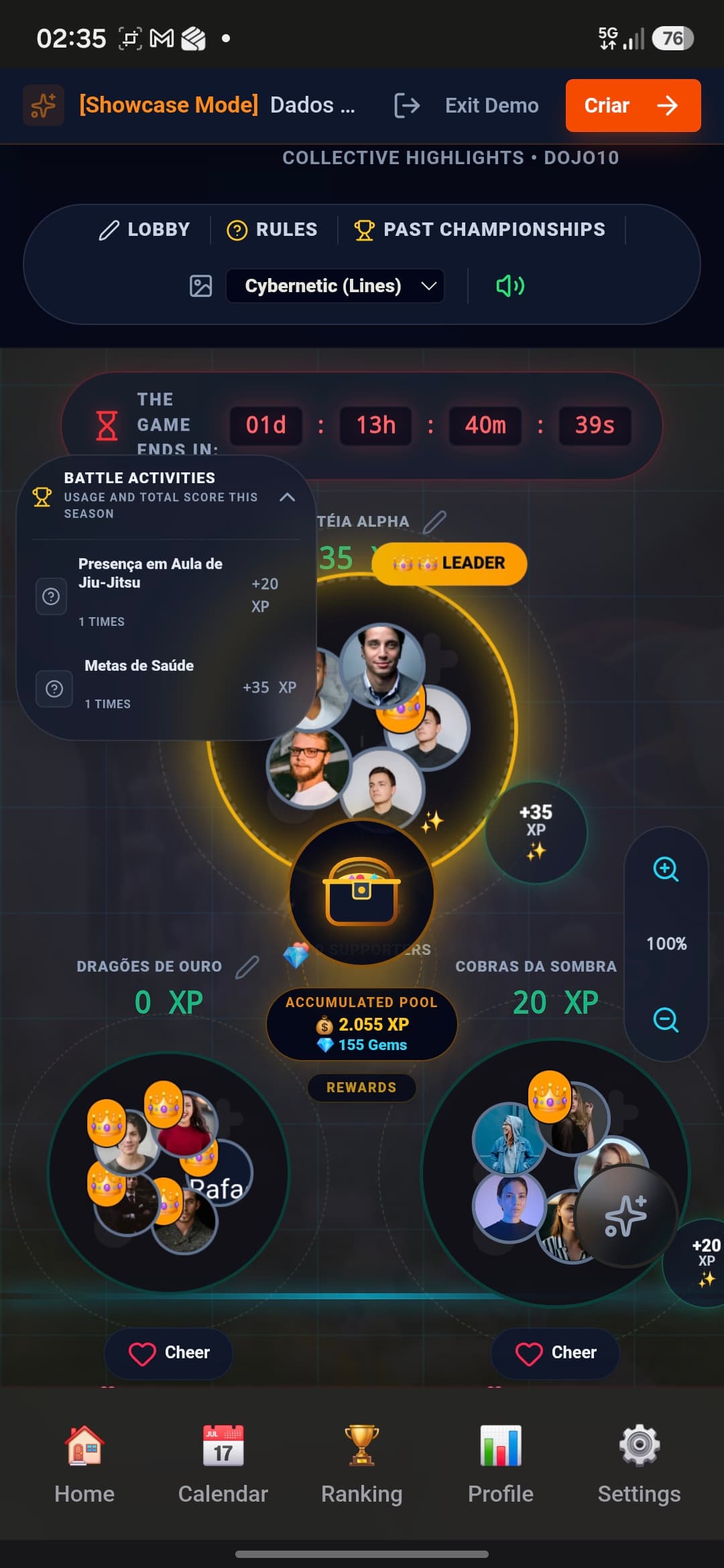
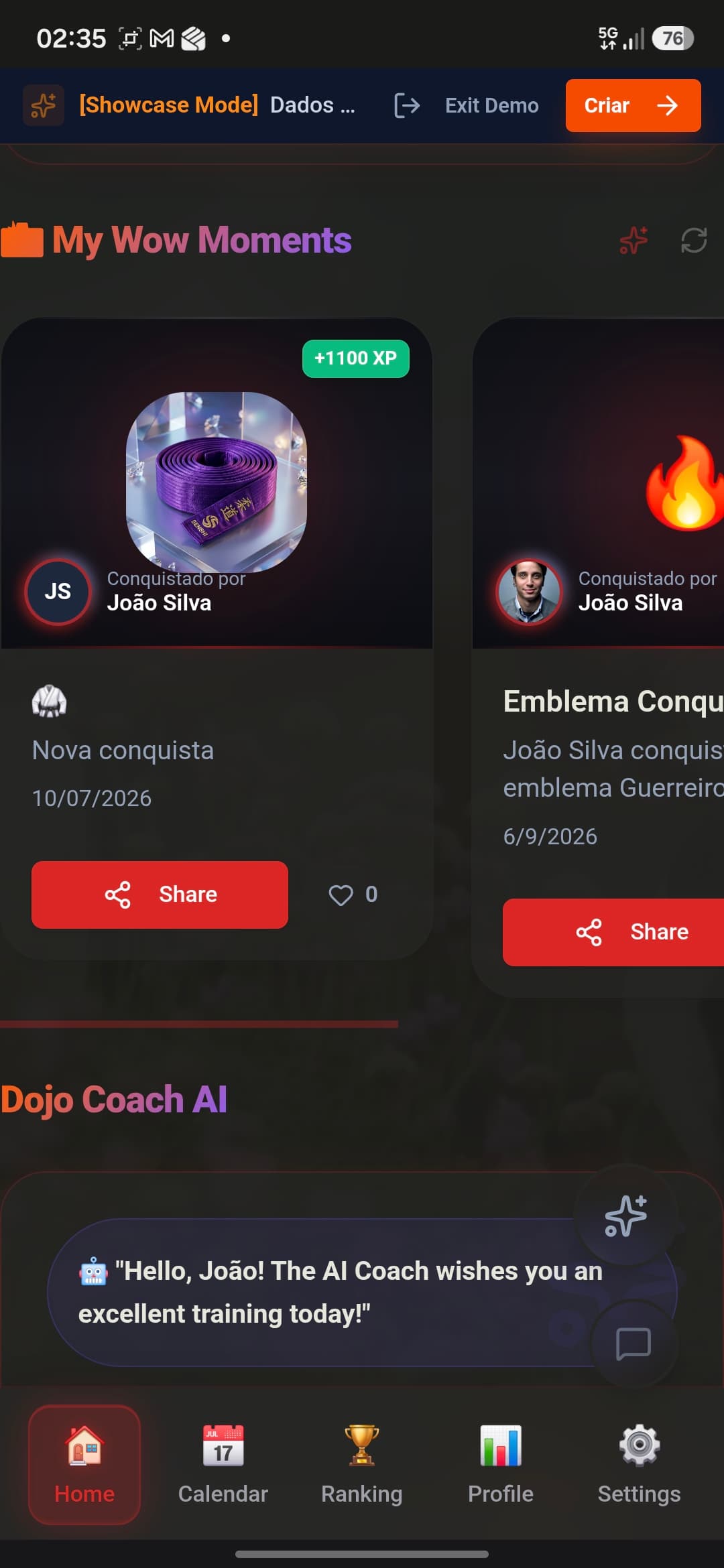
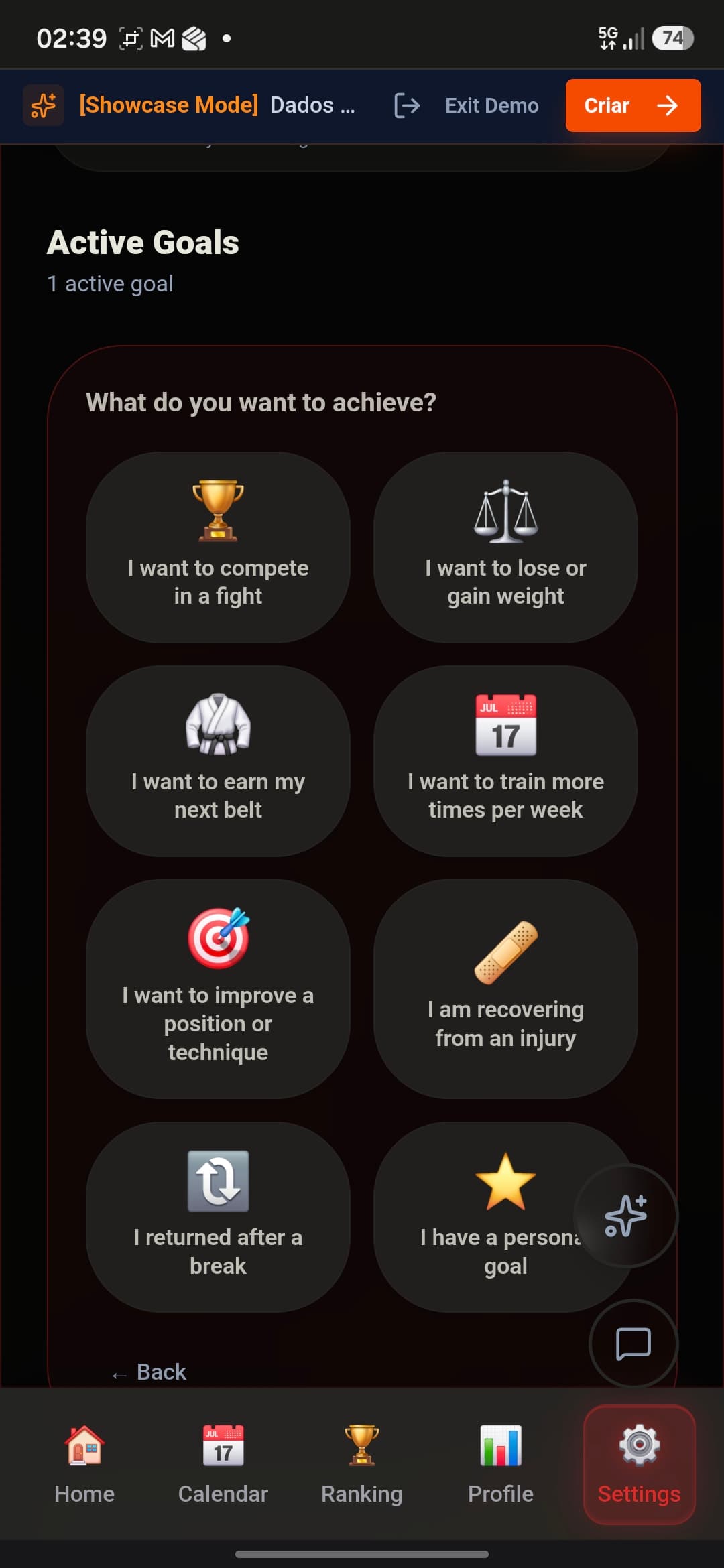
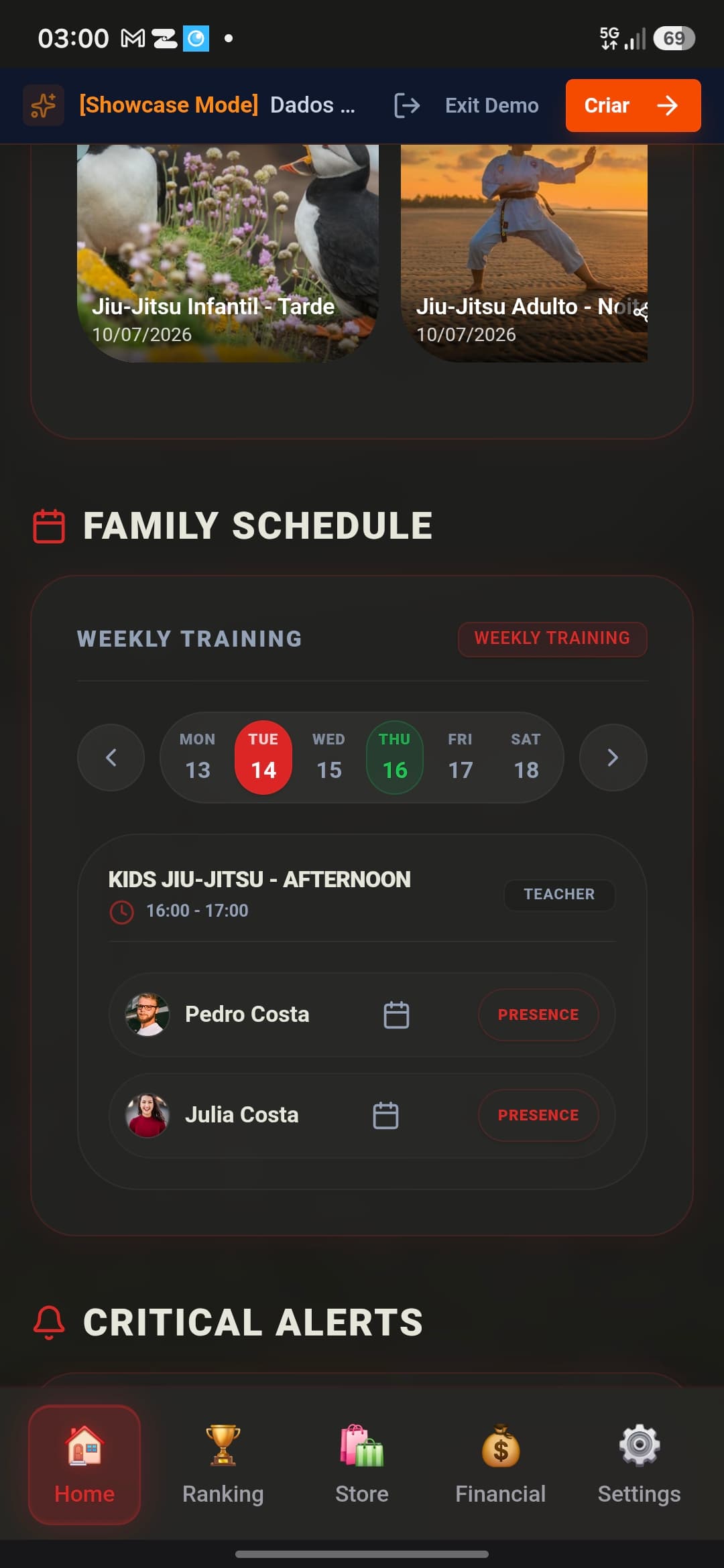
Dojo10 automates belt gradings, QR Code attendance, recurring billing, and clan gamification. No credit card required.
Traditional belt examinations fail because they condense months of learning into a single high-stress, subjective snapshot. Modern sports pedagogy demonstrates that technical skill acquisition—particularly the complex kinetic chain linking of Taekwondo's poomsae and dynamic kicking—requires Continuous Verification Assessment (CVA).
[Daily Class Check-In] ➔ [Micro-Competency Logging] ➔ [Automated Threshold Engine] ➔ [Formal Mock Review] ➔ [Kukkiwon-Standard Grading]Under CVA, the formal grading ceremony is not a discovery phase where the Master finds out if a student can perform; it is a celebratory validation of competencies that have already been systematically measured and digitally verified.
Key Metrics for Systematic WT Promotions
- Minimum Required Attendance (Chulseok): Quantifiable class check-ins that satisfy both internal curriculum standards and WT/Kukkiwon timelines.
- Time-in-Grade (Sooryeon Gigan): Automated calendar tracking preventing premature advancement regardless of raw attendance.
- Micro-Technical Competencies: Segmented evaluations covering Kibon Dongjak (basic movements), Poomsae (WT official forms), Kyorugi (Olympic-style sparring), and Kyokpa (breaking mechanics).
- Attitudinal & Etiquette Metric (Yee-Ui): Objective tracking of non-cognitive skills including respect, dojang discipline, and leadership contribution.
The 4-Step Blueprint to Automate Gup and Dan Gradings
Implementing an automated grading architecture requires transforming your curriculum into clear, programmatic logic. Follow this tactical roadmap to transition your academy within 60 days.
Step 1: Standardize the Skill Matrix into Measurable Data Points
Deconstruct your WT curriculum into discrete, non-negotiable milestones. Instead of listing generic requirements such as "knows Taegeuk Sa Jang," define specific evaluation criteria: - Poomsae Form: Accuracy of line (Yeon-mu-seon), balance, speed-power dynamics, and correct targeting (e.g., Sonnal Mok Chigi delivered at throat level, Momtong Makki protecting solar plexus). - Kicking Mechanics (Chagi): Pivot foot rotation (minimum 135° to 180° on Dollyo Chagi), hip extension, chambering, and retraction. - Step Sparring (Hanbon Kyorugi): Distance management, timing, and controlled impact delivery.
Step 2: Establish Automated Digital Eligibility Triggers
Configure your management software to monitor three gates before a student is flagged as eligible for testing: 1. Gate A: Attendance Threshold. For instance, 24 verified classes for low Gup ranks, 36 for high Gup ranks, and 120 classes across a 12-month minimum for 1st Geup testing for 1st Dan. 2. Gate B: Technical Skill Sign-offs. The head coach or designated black belt instructors evaluate individual requirements natively on mobile devices during regular class cycles. 3. Gate C: Financial & Administrative Good Standing. System verifies active membership tuition, zero past-due balances, and valid Kukkiwon Dan profile identification for Dan candidates.
Step 3: Streamline Automated Invites, Registration, and Invoicing
Once a student clears the automated eligibility gates: - The system auto-generates a personalized "Promotion Exam Invitation" pushed directly to the parent or student mobile app. - The notification features an integrated one-click registration portal detailing test dates, times, uniform requirements, and grading criteria. - Examination fees (and Kukkiwon processing fees for Dan candidates) are billed and processed automatically through integrated payment gateways, completely removing physical cash and front-desk paperwork.
Step 4: Digital Judging and Real-Time Kukkiwon Syncing
On the day of the examination, paper clipboards and scoring sheets are eliminated: - Evaluators utilize digital tablets equipped with calibrated scoring rubrics (Accuracy: 4.0 points, Presentation: 6.0 points, aligned with WT competition poomsae scoring). - Scores are submitted directly to the central academy dashboard in real time. - Pass/retake notifications, customized improvement notes, and digital rank certificates generate automatically. - For Dan candidates, technical profiles and scoring logs are exported directly for batched submission into Kukkiwon’s TCON system.
Official World Taekwondo (WT) & Kukkiwon Promotion Matrix
Below is the standardized blueprint mapping Gup ranks and early Dan stages to official WT forms, essential kicking dynamics, breaking targets, and time-in-grade requirements.
| Current Rank | Target Rank | Official Poomsae | Kicking Competencies (Chagi) | Kyorugi / Sparring Standard | Kyokpa (Breaking) | Min. Time-in-Grade |
|---|---|---|---|---|---|---|
| 10th Gup (White) | 9th Gup (Yellow Stripe) | Kibon Dongjak (Basic Stances & Strikes) | Ap Chagi (Front Snap Kick), Bandal Chagi | Three-Step Sparring (Sambo Kyorugi) Basics | N/A (Form Verification) | 2 Months (16-20 classes) |
| 8th Gup (Yellow) | 7th Gup (Green Stripe) | Taegeuk Il Jang (Keon - Heaven) | Dollyo Chagi (Turning Kick), Yeop Chagi basics | Sambo Kyorugi (Distance & Stance control) | Wooden Board (Ap Chagi) | 2 Months (20-24 classes) |
| 6th Gup (Green) | 5th Gup (Blue Stripe) | Taegeuk Sam Jang (Ri - Fire) | Naeryeo Chagi (Axe Kick), Dwit Chagi chambering | Ibo Kyorugi (Two-Step Sparring) with counter | Wooden Board (Dollyo Chagi) | 3 Months (24-30 classes) |
| 4th Gup (Blue) | 3rd Gup (Red Stripe) | Taegeuk Oh Jang (Son - Wind) | Dwit Chagi (Back Kick), Momdollyo Chagi basics | Hanbon Kyorugi (One-Step Sparring - Open hand) | 1-inch Pine (Dwit Chagi) | 3 Months (30-36 classes) |
| 2nd Gup (Red) | 1st Gup (Black Stripe) | Taegeuk Chil Jang (Gan - Mountain) | Dwi Huryeo Chagi (Spinning Hook), Fast-foot combos | Free Sparring (Jayu Kyorugi) with WT scoring gear | Multiple directional pine breaks | 4 Months (40-48 classes) |
| 1st Gup (Black Stripe) | 1st Poom / 1st Dan | Taegeuk Pal Jang (Gon - Earth) + All 1-7 | 360° Roundhouse, Continuous sparring combinations | WT Full Contact Sparring (Daedo/KPNP ruleset) | Supported breaking (Hand + Kicking combos) | 6 Months (60+ classes) |
| 1st Dan (Black Belt) | 2nd Dan | Koryo Poomsae + Random Taegeuk Drawing | Advanced Plyometric & Counter-Chagi systems | 5 rounds x 2 mins WT Sparring + Tactical analysis | Power breaking (3+ boards: Hand & Foot) | 12 Months (Kukkiwon Standard) |
| 2nd Dan | 3rd Dan | Keumgang Poomsae + Prior Poomsaes | Aerial kicks, Biomechanical efficiency test | High-cadence sparring against multiple targets | Advanced multi-angle & acrobatic breaks | 24 Months (Kukkiwon Standard) |
Common Pitfalls and How Elite Academies Avoid Them
Even well-intentioned dojang owners often stumble when shifting from informal gradings to structured operations. Elite operators consciously design systems to avoid these critical missteps:
Pitfall 1: The "Surprise Retake" Phenomenon
Failing a student on testing day without advance notice causes high attrition and alienates parents. Top academies implement automated pre-qualification benchmarks. If a student cannot hit a 70% threshold on their Taegeuk form 14 days before the exam, their automated invite is held back. The student is gently reassigned to an automated "Skill Refinement Clinic" with clear instruction on which moves need adjustment.
Pitfall 2: The Spreadsheet Desynchronization
Tracking Gup exams on Google Sheets or local whiteboards quickly leads to version control conflicts between assistant instructors and front-desk staff. Leading dojangs mandate a single source of truth: cloud-based management engines that synchronize class attendances with student belt records instantaneously.
Pitfall 3: Decoupling Testing from Financial Systems
Allowing students to step onto the mats for grading before processing their examination and federation fees creates massive administrative follow-up work. World-class academies require programmatic clearance: testing registrations are strictly confirmed only upon successful automated digital checkout.
How Technology & Dojo10 Automates This Operational Standard
Moving from chaotic manual grading to a precision-engineered promotion engine requires dedicated martial arts operational architecture. Dojo10 was built specifically to solve these operational pain points for modern academies.
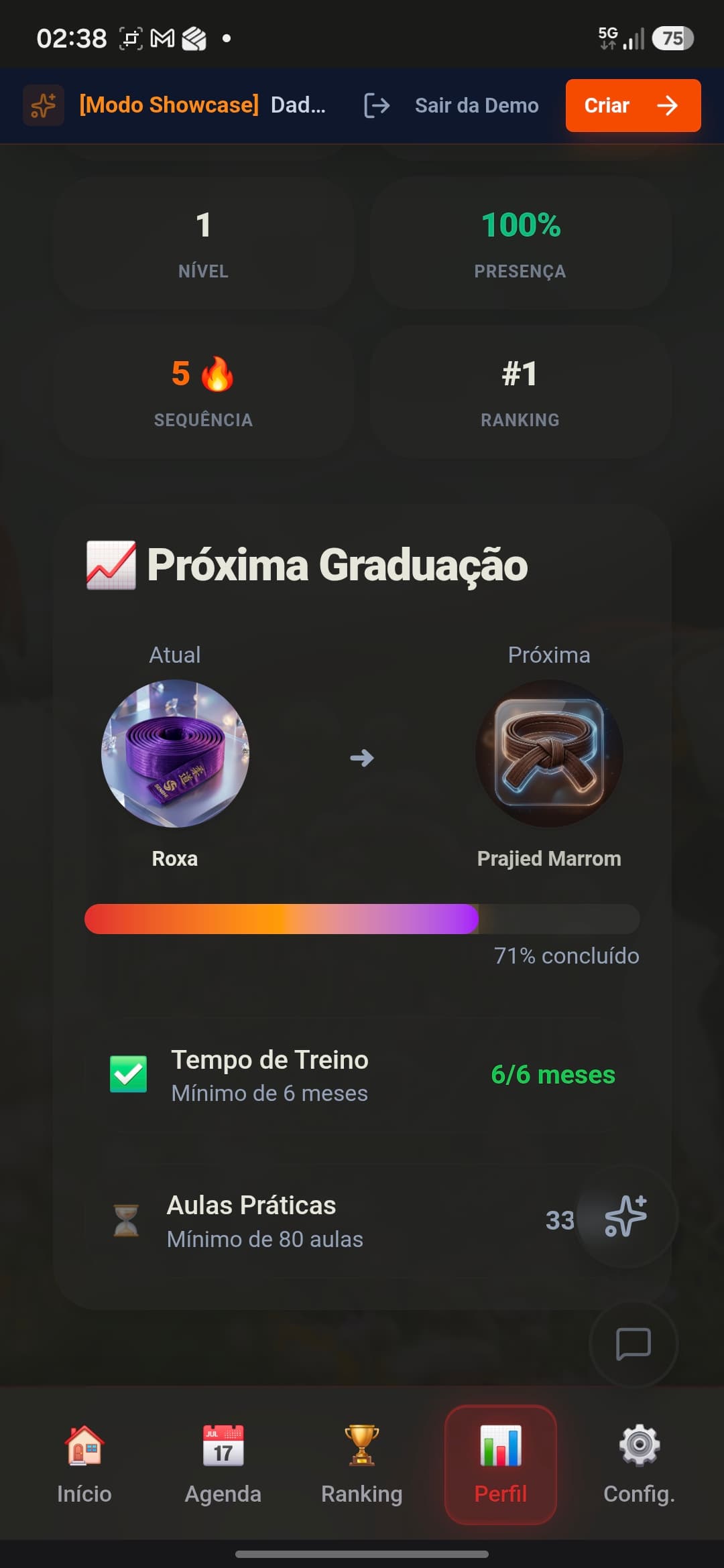
- Automated Eligibility Engine: Dojo10 monitors your WT curriculum parameters in real time. The moment a student meets their attendance, time-in-grade, and micro-competency benchmarks, the system flags them for promotion—zero manual data auditing required.
- Seamless Mobile Evaluation Modules: On exam day, examiners grade forms, sparring, and breaking directly via the Dojo10 Tablet Scoring Interface. Dojo10 calculates weighted scores instantly, eliminating clipboards and manual score tallies.
- Frictionless Registrations & Payments: Dojo10 sends automated, branded invites to parents and students via SMS and in-app notifications. With single-click digital registration, exam fees and Kukkiwon filing dues are processed directly into your merchant account.
- Federation-Ready Data Export: Transitioning from Gup to Kukkiwon Dan is seamless. Dojo10 stores standardized martial records, Dan certificates, and testing history, allowing you to export batch data directly for fast processing.
Transform your promotion cycles from a weekend of exhausting logistics into a polished, revenue-generating showcase of martial excellence. Explore how Dojo10 elevates your dojang operations at [https://dojo10.com](https://dojo10.com).
Official Martial Arts Management Matrix & Evaluation PDF
Download our comprehensive comparison matrix in PDF and see how fight gyms save 15+ hours weekly.