The Chaos of the Legacy Ring: Why Kickboxing Tournaments Fail
Every seasoned kickboxing coach and promoter knows the acute anxiety of the traditional tournament morning. Registration tables are buried beneath handwritten waivers, carbon-copy draw sheets, and frantic weigh-in scratchpads. An athlete misses weight by 400 grams; the marshal scrambles to manually redraw an eight-man single-elimination bracket on a clip-board with pencil and eraser. Meanwhile, fighters warm up, cool down, dehydrate, and experience psychological exhaustion before their first bout is even called.
Paper-based tournament workflows are not merely inconvenient—they are a systemic liability. A single bracket calculation error can pit teammates against each other in the opening round, violate regulatory minimum rest intervals between full-contact bouts, or leave ring corners vacant while officials search for missing athletes across a cavernous sports complex.
To build a premier, scalable kickboxing promotion—whether a regional inter-club development league or an open national championship—directors must abandon analog administration. Deploying dynamic digital brackets solves the core operational, physiological, and logistical hurdles of modern combat sports promotion.
Core Theoretical & Logistical Framework
Ready to eliminate admin burden and student churn?
Dojo10 automates belt gradings, QR Code attendance, recurring billing, and clan gamification. No credit card required.
The Physiological Metric of Combat Rest Intervals
Unlike non-striking martial arts where metabolic strain can be sustained across multiple closely spaced matches, striking disciplines carry acute neurological, muscular, and cardiovascular fatigue. Regulatory governance bodies such as the World Association of Kickboxing Organizations (WAKO) mandate strict minimum recovery windows:
$$\text{Minimum Rest Period} \ge 2 \times \text{Total Match Duration (Bout Time + Inter-Round Rest)}$$
In high-impact disciplines (Low Kick and K-1 Rules), a fighter completing a three-round bout (two minutes per round with one-minute breaks) experiences eight minutes of total ring time. Under professional regulatory standards, that fighter must receive a non-negotiable minimum of 16 to 30 minutes of complete physiological recovery before entering a subsequent elimination round.
Manual paper boards inevitably violate these recovery metrics during semi-final and final rounds. Bracket bottlenecks force ring coordinators to pull warm fighters into the ring prematurely or stall the entire tatami for an hour while waiting for the opposite side of the bracket to complete. Digital bracket systems resolve this via algorithmic bout sequencing, dynamically scheduling matches across designated mats to guarantee statutory rest intervals automatically.
Mitigating Cognitive Overload at the Ring Control Table
A standard two-ring kickboxing tournament hosting 120 competitors across diverse rulesets (Point Fighting, Light Contact, and K-1) generates hundreds of state-changes per hour: fighter walkouts, cornerman verifications, judge scorecard tallies, penalty deductions, and medical stoppages.
When a table official must simultaneously calculate round scores using paper slips, update a poster board on the wall, and inform staging marshals of the upcoming 'on-deck' fighters, cognitive capacity collapses. Human error surges, resulting in misallocated points, contested split decisions, and prolonged delays. Digital bracket infrastructure centralizes these operations into a synchronized cloud ledger, updating public screens, mat monitors, and mobile apps instantaneously.
4-Step Implementation Blueprint: From Weigh-In to Championship Podium
  [ Step 1: Pre-Registration & Digital Weigh-In ]
                     │
                     ▼
  [ Step 2: Algorithmic Seeding & Bracket Generation ]
                     │
                     ▼
  [ Step 3: Ring Coordination & Real-Time E-Scoring ]
                     │
                     ▼
  [ Step 4: Live Bracket Routing & Post-Event Archiving ]
Step 1: Digital Pre-Registration & Zero-Variance Weigh-Ins
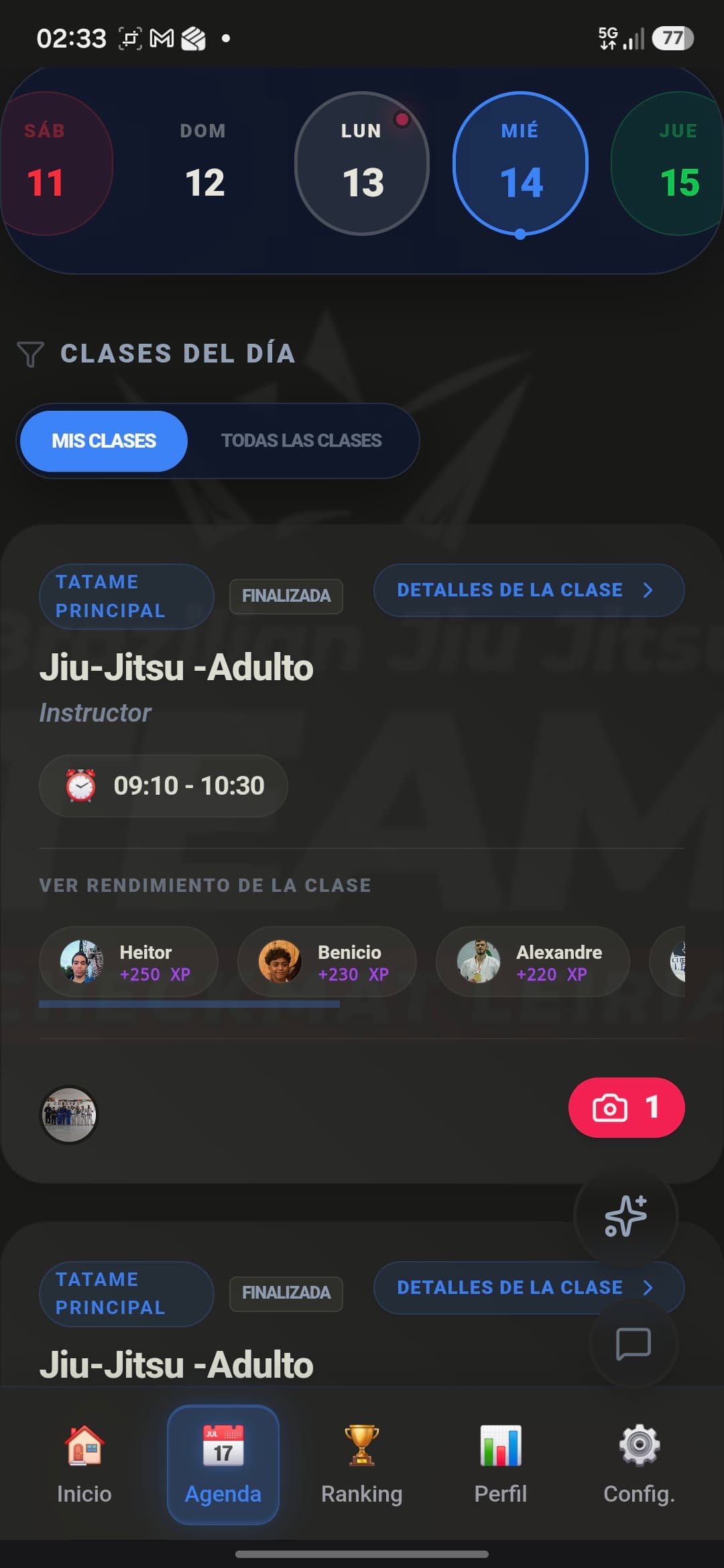
- Cut-Off Protocols: Lock athlete registration 48 hours prior to the event. Require coaches to register competitors by exact birthdate, certified competitive record (amateur bouts, exhibitions), gym affiliation, and official weight division.
- Digital Scales Integration: Connect official scale checkpoints directly to your central database. As each fighter steps onto the scale, their actual weight is logged with a single tap. If an athlete fails to make the limit for -71.0 kg (Light Middleweight) by the designated cut-off, the software offers a one-click reclassification to -75.0 kg (Middleweight) or marks them disqualified, automatically updating the division pool before draws are generated.
Step 2: Algorithmic Seeding and Bracket Generation
- Club Separation Logic: The primary directive of fair grass-roots matchmaking is preventing teammates from clashing in early rounds. Digital bracket systems apply geographical and gym-based separation algorithms, placing fighters from the same team on opposing sides of the draw (A-Bracket vs. B-Bracket).
- Experience Balancing: Seed seeded athletes (state champions, national team members) into top quadrants while balancing newcomers. For novice divisions, execute Double Elimination or Round Robin formats to ensure competitors gain valuable ring time, maximizing value for registration fees.
Step 3: Ring Coordination and Real-Time Electronic Scoring
- Digital Mat Consoles: Replace paper scoring slips with ring-side tablets running an electronic scoring interface. In Point Fighting, table operators instantly record 1, 2, or 3-point actions via clicker interface; in continuous disciplines (Light Contact, Full Contact, K-1), judges score rounds using the standard 10-Point Must system.
- Dynamic Staging Monitors: Place high-visibility monitors at fighter warm-up bullpens showing:
- 1. In the Ring (Bout #14)
- 2. On Deck / At the Gate (Bout #15)
- 3. Warming Up (Bout #16)
- Automated mobile push notifications or SMS alerts notify coaches three matches prior to their athlete's bout, eliminating unexcused no-shows and ring vacancy.
Step 4: Instant Advancement, Podiums, and Master Record Archiving
- Instant Result Propagation: When the referee raises the winner’s hand, the mat coordinator finalizes the digital scorecard. The winner is advanced to the next bracket node automatically, the ring monitor refreshes, and the loser is either routed to the bronze-medal match/repechage or cleared for medical checkout.
- Unified Athlete Record: The bout result—including method of victory (Unanimous Decision, Split Decision, RSC, RSC-H)—is instantly written to both the fighter's digital combat passport and the academy's collective leaderboard.
Official Kickboxing Modality & Bracket Operations Matrix
The table below defines standard operational guidelines across key kickboxing disciplines as recognized by governing federations (e.g., WAKO, ISKA) when managed via digital bracket systems:
| Kickboxing Modality | Typical Bout Duration (Rounds x Mins) | Scoring Architecture | Recommended Bracket Engine | Mandatory Minimum Recovery Window | Key Ring-Side Data Tracked |
|---|---|---|---|---|---|
| Point Fighting (Semi-Contact) | 2 Rounds x 2:00 (Eliminations)<br>3 Rounds x 2:00 (Finals) | Real-time electronic point clickers (Head/Jump kicks: 2-3 pts; Punches: 1 pt) | Single Elimination with Repechage | 15 Minutes | Exact point differential, warnings, exits (leaving the tatami) |
| Light Contact (Continuous Tatami) | 2 Rounds x 2:00 (Eliminations)<br>3 Rounds x 2:00 (Finals) | 10-Point Must or continuous clicker scoring; focus on clean volume | Single Elimination or Round Robin (Novice) | 20 Minutes | Clean hits, ring control, technical fouls, minus points |
| Kick Light (Low Kicks on Tatami) | 2 Rounds x 2:00 (Eliminations)<br>3 Rounds x 2:00 (Finals) | 10-Point Must system; continuous striking including inner/outer thigh | Single Elimination | 20 Minutes | Low kick volume, defensive checks, center control, warnings |
| Full Contact (Ring - Above Waist) | 3 Rounds x 2:00 | 10-Point Must system; minimum 6 kicks per round count strictly tracked | Single Elimination | 30 Minutes | Compulsory kick count per round, knockdowns, legal target accuracy |
| Low Kick (Ring Discipline) | 3 Rounds x 2:00 | 10-Point Must system; low kicks allowed to unprotected legs | Single Elimination | 30 Minutes | Knockdowns, significant strikes, referee 8-counts, corner cuts |
| K-1 Style (Ring Discipline) | 3 Rounds x 2:00 (Amateur)<br>3 Rounds x 3:00 (Advanced) | 10-Point Must system; single clinch strike, spinning backfists allowed | Single Elimination (Max 8-man one-day bracket) | 45 Minutes | Clinch knee strikes, knockdowns, doctor check stoppages, referee warnings |
Common Pitfalls and How Elite Academies Avoid Them
1. The 'Paper-to-Digital' Hybrid Disconnect
- The Mistake: Tournaments purchase software but maintain paper scorecards at the mat as a "backup," requiring double data entry. This creates a data sync lag where the paper record contradicts the digital display.
- The Elite Solution: Commit 100% to digital inputs with an offline-first caching system. Tablets must cache scoring locally over a closed-loop Wi-Fi network or local intranet. If internet drops, mat operations continue without losing a single punch tally, auto-syncing the master bracket the moment connectivity restores.
2. Failure to Enforce Ring Call Time Limits
- The Mistake: Ring announcers call for an athlete over a loud microphone repeatedly, stalling a mat for 10 minutes while coaches look for headgear or hand wraps.
- The Elite Solution: Implement a visible digital countdown clock on the mat monitor. When a bout is officially flagged In the Ring, the system initiates an automated 2:00 minute grace period. If the corner is not present and equipped when the timer expires, the digital bracket records a Walkover (WO) disqualification automatically, preserving schedule cadence.
3. Mismanaging Skill Categories and Experience Gaps
- The Mistake: Combining an athlete with 15 amateur fights into a novice bracket to make numbers work, leading to injuries, mismatched bouts, and potential liability.
- The Elite Solution: Use bracket pooling filters that enforce hard caps on competitive bouts (e.g., Novice: 0–3 bouts; Intermediate: 4–10 bouts; Open/Elite: 11+ bouts). If a division has only one competitor, automated bracket engines prompt organizers with compliant merge options (e.g., shifting one weight class up within the same age bracket, subject to certified coach approval).
How Technology & Dojo10 Automates This Operational Standard
Operating a high-velocity kickboxing event demands purpose-built martial arts software designed for real-time ring dynamics. The Dojo10 platform streamlines tournament operations from athlete registration to the post-event awards banquet:
- Automated Weight Class & Division Sorting: Dojo10 ingests member profiles directly from their student databases or open registration portals, sorting competitors across WAKO, ISKA, or custom academy division rule sets in seconds.
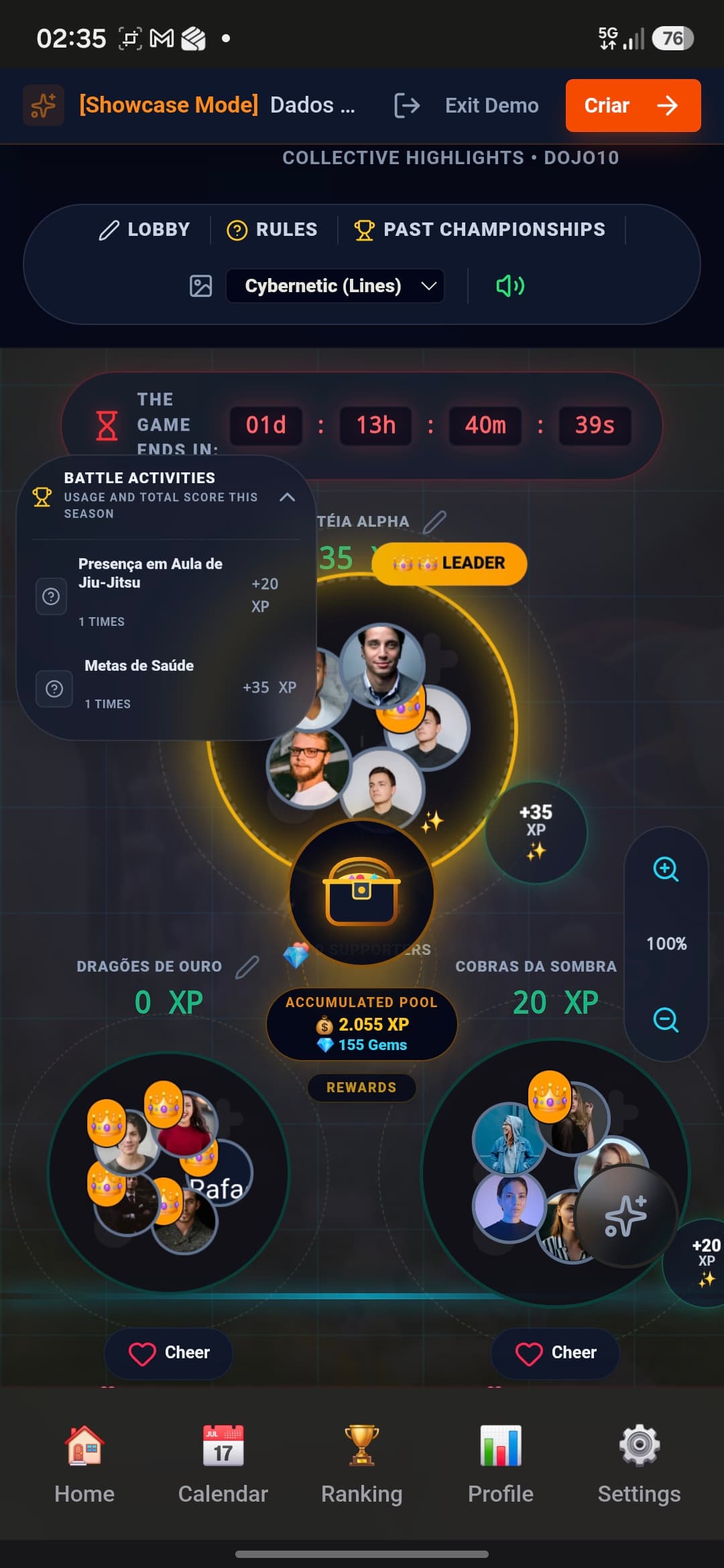
- Intelligent Bracket Architecture: Generate balanced Single Elimination, Double Elimination, or Round Robin brackets with integrated team separation filters, seeded positions, and automated byes.
- Mat-Side Electronic Scorekeeping: Run digital scoring interfaces on any basic tablet or laptop. Judges and table officials click points or enter 10-point must tallies that update brackets and digital scoreboards without physical runner personnel.
- Dynamic Queue System & Live Streaming Integration: Keep parents, competitors, and coaches informed through live web-based brackets accessible via QR code on mobile devices, dramatically reducing ringside congestion.
- Federation-Ready Data Export: Instantly export final division standings, athlete win/loss records, and stoppage data into standard reporting formats for state athletic commissions or sanctioning bodies.
By leveraging the end-to-end tournament and member-management infrastructure of Dojo10, academy owners transform an arduous, error-prone event into a professional, profitable spectacle that enhances retention and cements their reputation as industry leaders.
Scaling Your Tournament Brand
A kickboxing tournament is the public showcase of your academy's professional culture. When parents and coaches experience prompt bout calls, crystal-clear digital scoreboards, fair brackets, and strict adherence to safety timelines, they return year after year. Digital brackets are not merely a back-office tool; they are the architectural foundation of modern combat sports excellence.
Official Martial Arts Management Matrix & Evaluation PDF
Download our comprehensive comparison matrix in PDF and see how fight gyms save 15+ hours weekly.